
🪄 AI Summary
Heading 1
Heading 2
Heading 3
Heading 4
Heading 5
Heading 6
Lorem ipsum dolor sit amet, consectetur adipiscing elit, sed do eiusmod tempor incididunt ut labore et dolore magna aliqua. Ut enim ad minim veniam, quis nostrud exercitation ullamco laboris nisi ut aliquip ex ea commodo consequat. Duis aute irure dolor in reprehenderit in voluptate velit esse cillum dolore eu fugiat nulla pariatur.
Block quote
Ordered list
- Item 1
- Item 2
- Item 3
Unordered list
- Item A
- Item B
- Item C
Bold text
Emphasis
Superscript
Subscript
8 B2B SaaS Companies Killing It on Instagram - And the Strategy Behind Every One
Most B2B SaaS brands treat Instagram like a bulletin board. They post a product screenshot, a hiring announcement, a quote on a blue background, and then wonder why no one cares. The algorithm doesn't care either - and it shows. Average organic reach for B2B tech brands sits at 0.33% engagement according to Rival IQ's 2026 benchmark report. That's not a strategy problem. That's a content problem.
But some SaaS brands cracked it. Not by going viral, not by hiring a 20-person content team, and not by copying what works on LinkedIn. They built Instagram strategies that fit the platform - visual, fast, human - and the results show in follower growth, inbound leads, and recruiting pipelines that their competitors can't touch.
Here are 8 of them. All real. All verifiable. All doing something specific that you can learn from.
First: Why Instagram Is Different for B2B SaaS
"Our audience isn't on Instagram." It's the most common objection - and it's factually wrong. According to Statista, 62.7% of Instagram users actively follow or research brands on the platform. The decision-makers you're trying to reach are scrolling Instagram. The question is whether they're scrolling past your account or stopping at it.
The bigger truth is this: Instagram for B2B SaaS doesn't work the same way it does for consumer brands. You're not trying to convert someone on the first swipe. You're playing a longer game - staying in the consideration set of a buyer who has a 6–12 month buying cycle, building the kind of familiarity that makes a demo request feel like a natural next step, not a cold inbound.
For B2B SaaS specifically, acceptable engagement sits between 0.5–1.5% (Socialinsider). Likes barely matter. The metrics that signal real traction are saves, shares, profile visits, and DMs. And the brands below have figured out how to get all of them.
The 8 Brands at a Glance
Before the deep dives - here's the summary of who they are and what makes each one work:
The Deep Dives
The table above tells you what. The section below tells you why - and more importantly, what you can steal.
What They Post
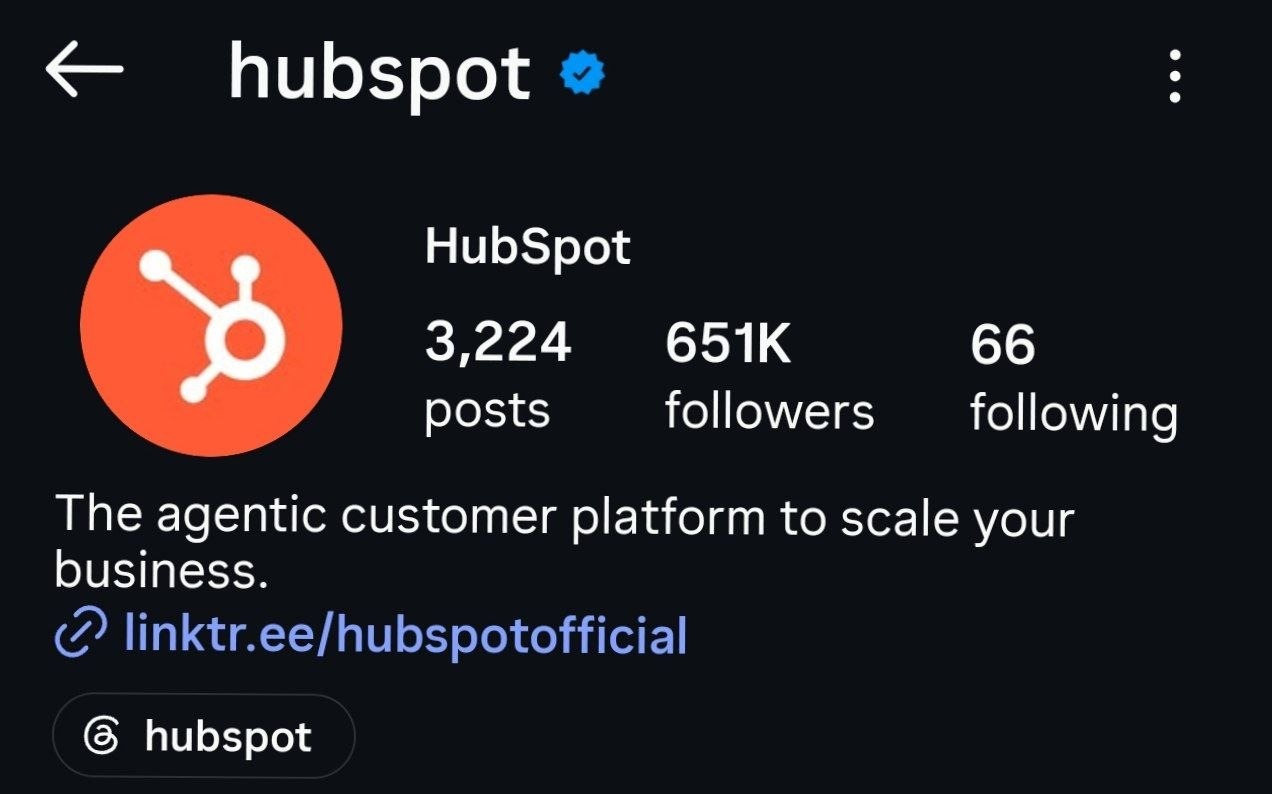
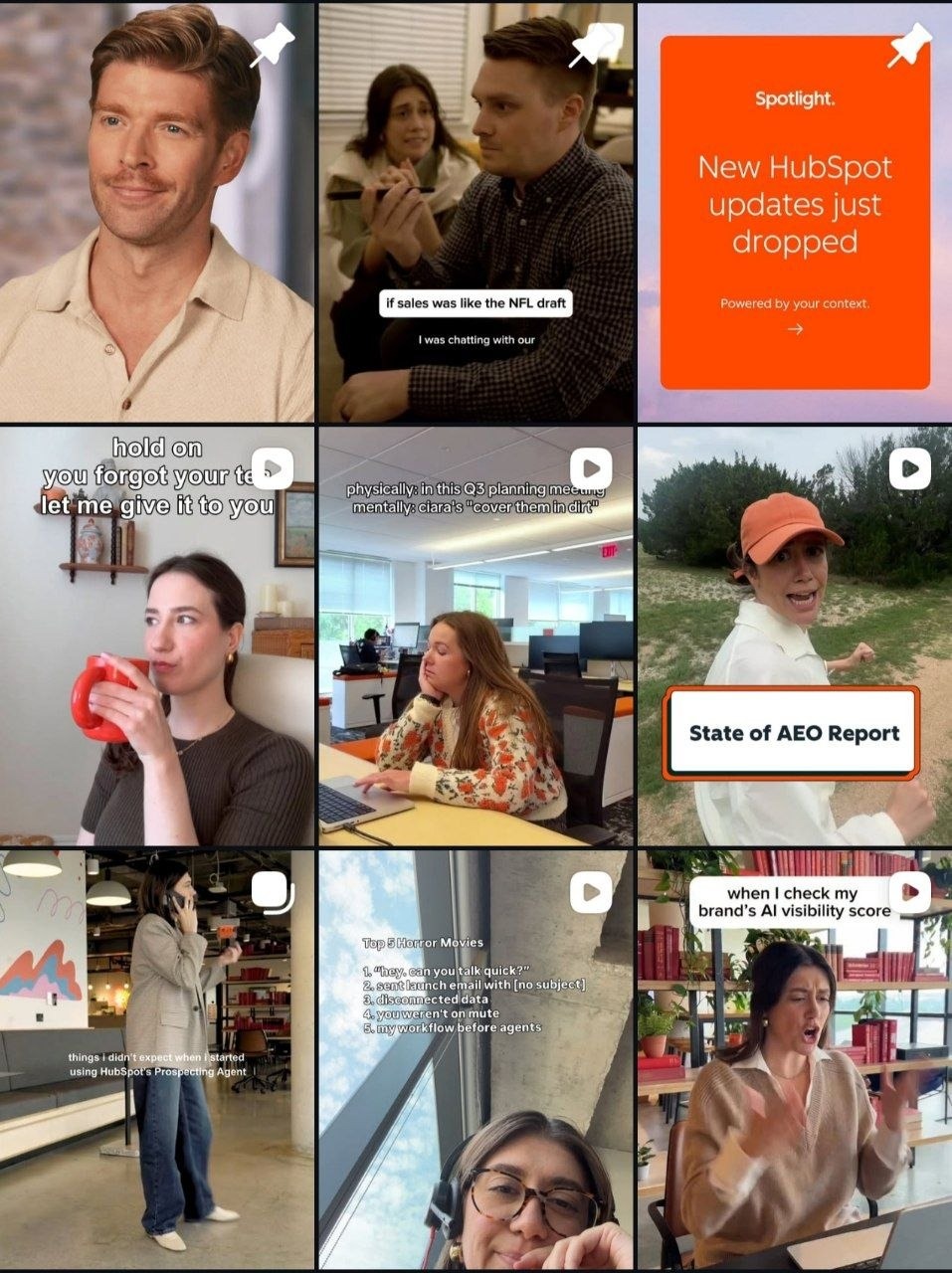
HubSpot uses Instagram as a brand humanisation engine, not a product catalogue. Their feed is a mix of Reels that show real team members, culture moments, and behind-the-scenes content alongside educational carousels on marketing and sales topics. They actively use the Reels format to put faces - not feature screenshots - in front of their audience.
The Secret Sauce
HubSpot understood early that B2B buyers buy from people they trust, and trust is built by seeing real humans. Their Reels showing employees, team culture, and day-in-the-life content do something a product demo never can: they create familiarity. At the same time, their educational carousels on topics like lead scoring, email marketing, and sales strategy attract exactly the type of person who would eventually need HubSpot. They're not selling - they're teaching, and the audience self-qualifies.
🎯 Your Takeaway
Stop thinking of your Instagram as a product page. Think of it as a trust-building engine. Show the humans. Teach the skills. Sell the category, not the SKU.
What They Post
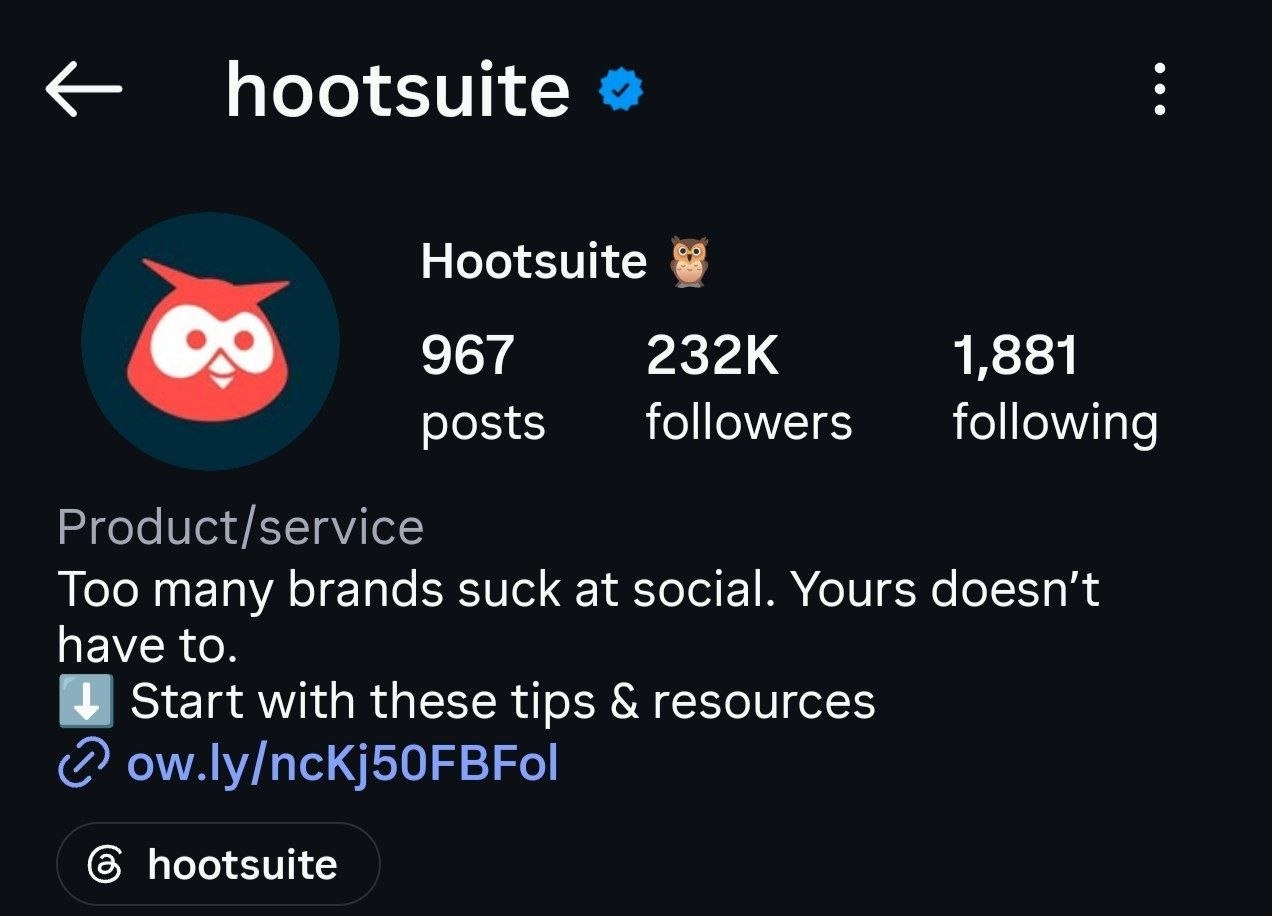
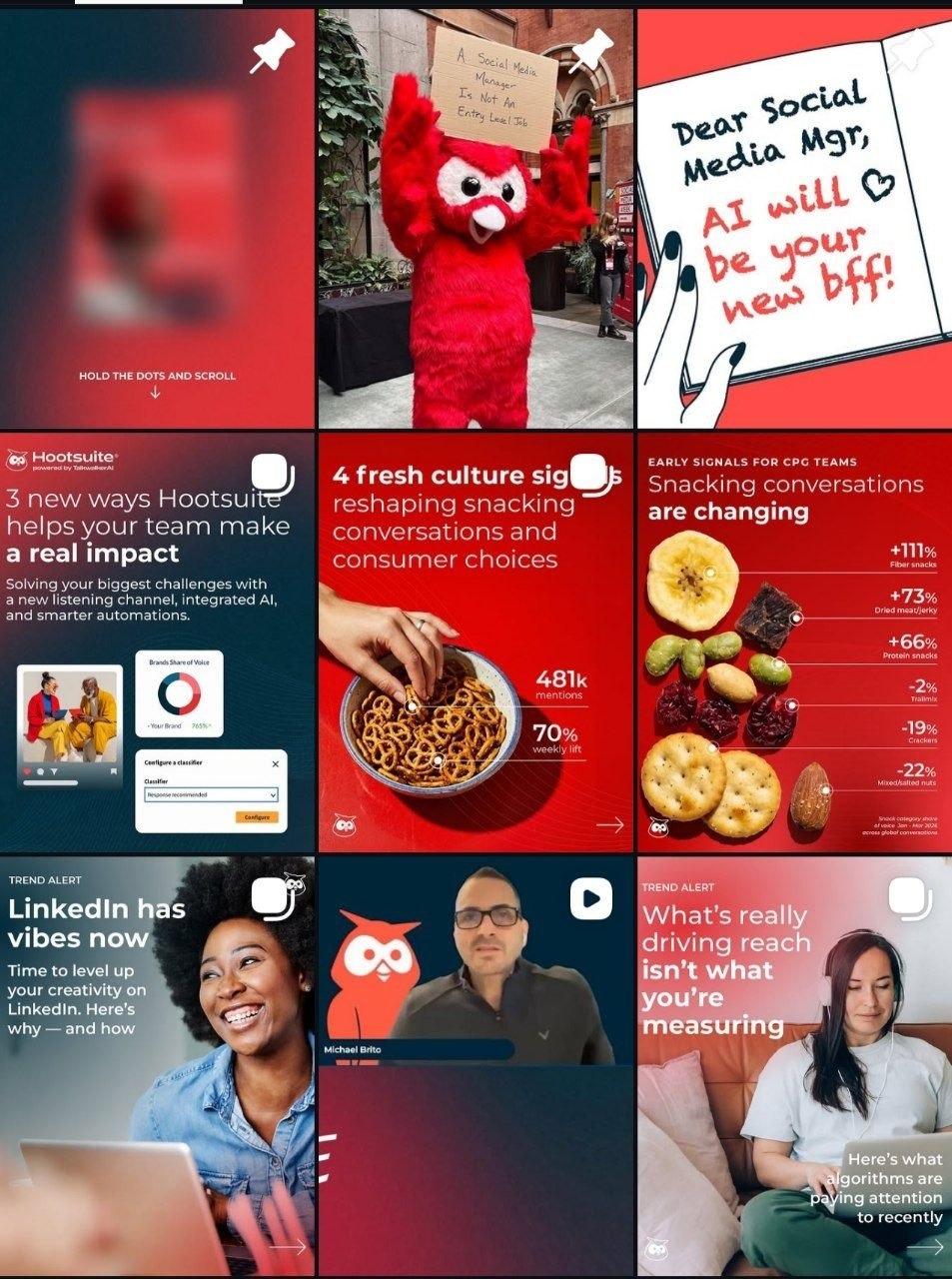
Hootsuite posts a consistent mix of culture-first content - dogs in the office, team milestones, flexible work moments - alongside educational social media tips. Their bio links directly to their careers page, and a significant portion of their Instagram content is built specifically to attract talent rather than close software deals.
The Secret Sauce
This is an underrated play: using Instagram as a recruiting channel. Hootsuite knows that their ideal employee is the same person who would become their ideal customer - a social-media-native marketer. By making their workplace look genuinely appealing on Instagram, they attract both. The side effect? Their culture content generates higher engagement than their product content, which sends signals to the algorithm that keep their educational posts visible too.
🎯 Your Takeaway
Your Instagram can serve two pipelines at once: customers and talent. If you're a SaaS brand hiring marketers, your Instagram culture content is also your recruiting ad. Design for both audiences.
What They Post
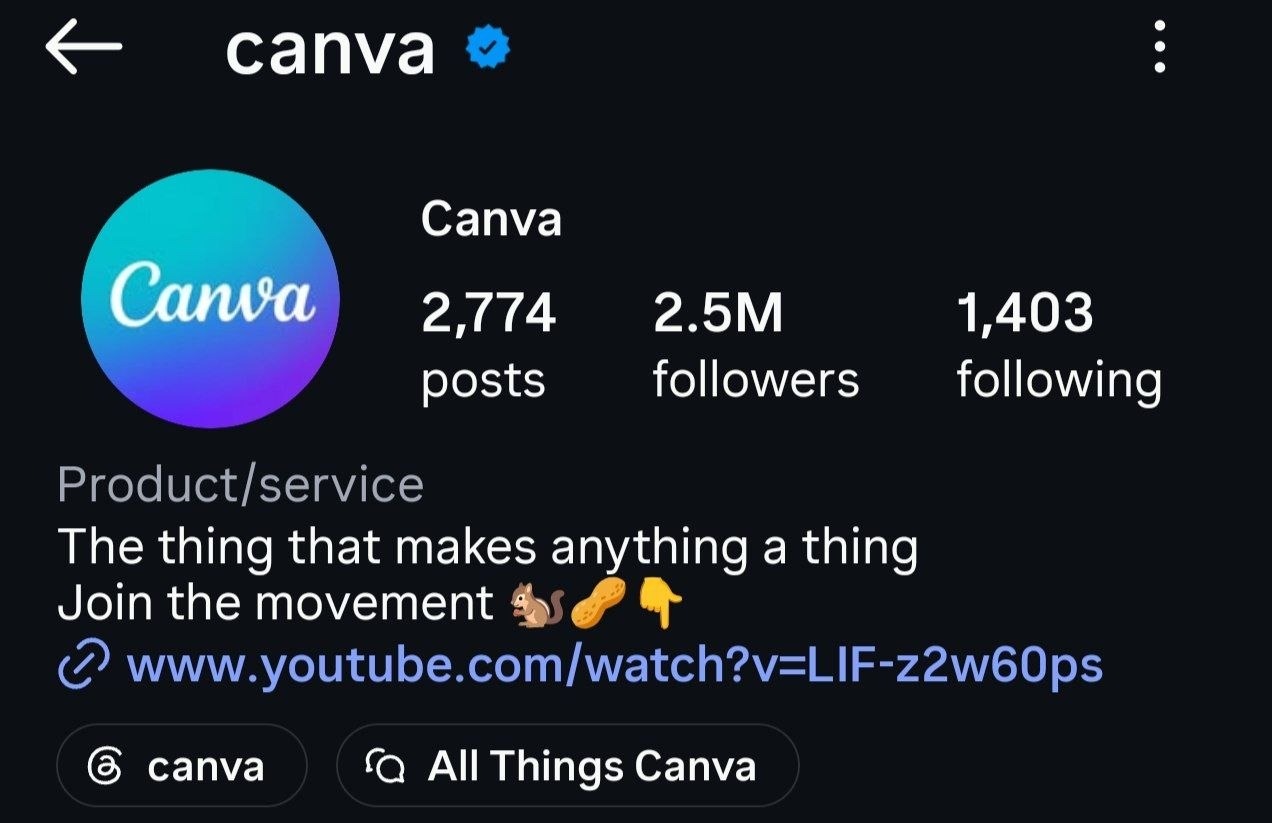
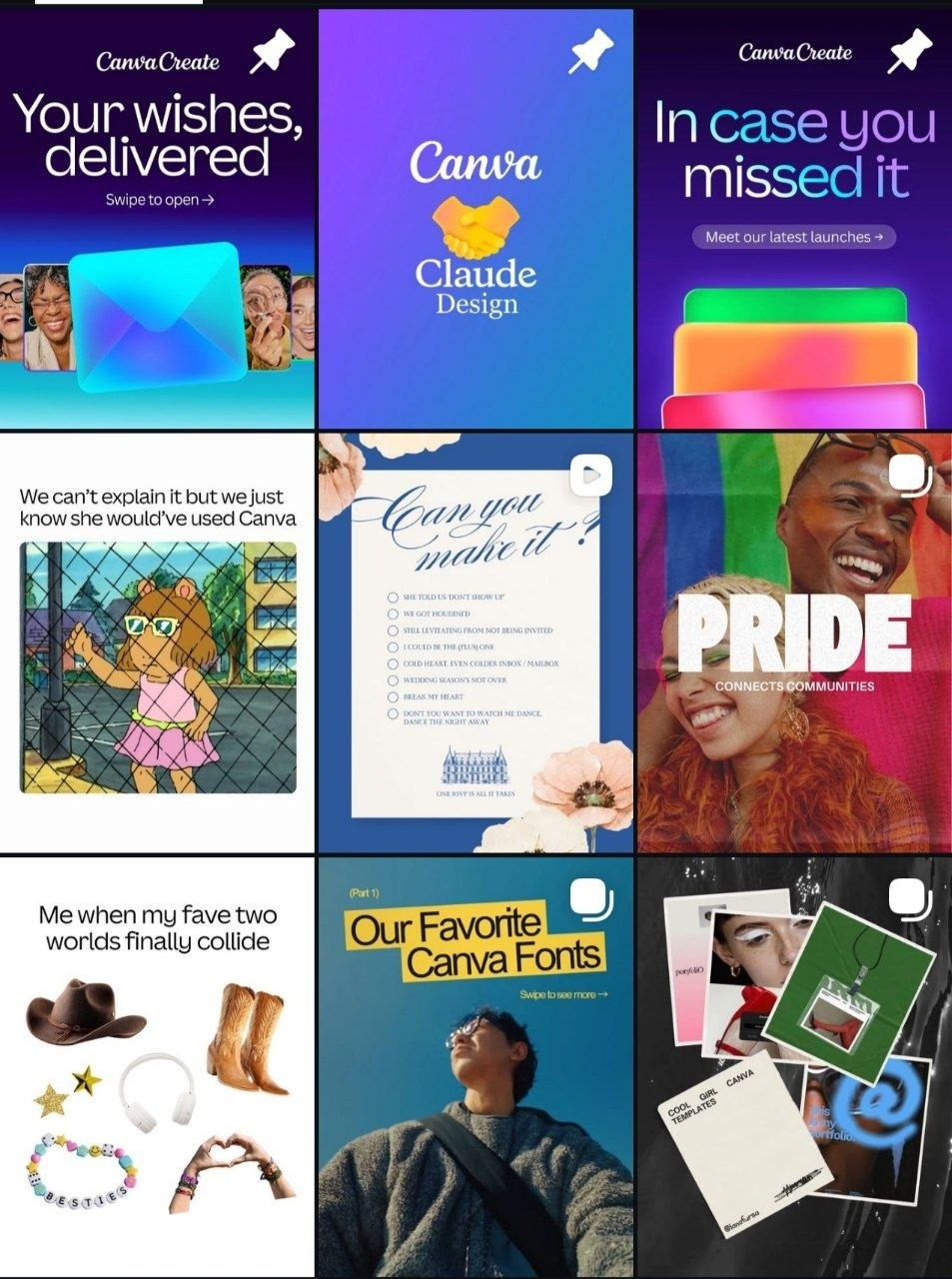
Canva has built one of the most effective B2B Instagram accounts by doing one thing brilliantly: making their product the content. Every Reel shows the software in action - quick-tip tutorials on creating a presentation, a social post, an invoice, a brand kit. They also aggressively repost user-generated content showing Canva designs in the real world.
The Secret Sauce
Canva turned their users into a content army. When a teacher posts 'I made this classroom poster in Canva,' Canva reposts it. When a startup founder shares their pitch deck made with Canva, Canva shares it. This does three things simultaneously: it provides endless content at zero production cost, it creates social proof at scale, and it makes existing users feel seen - which drives more UGC. Their first-person tutorial Reels (showing exactly how to do something in Canva in under 60 seconds) drive saves and shares, which are the signals B2B brands actually need.
🎯 Your Takeaway
Your users are already creating content. Make it easy for them to tag you, then repost. UGC at scale is the most authentic and lowest-cost content strategy available to any SaaS brand.
What They Post
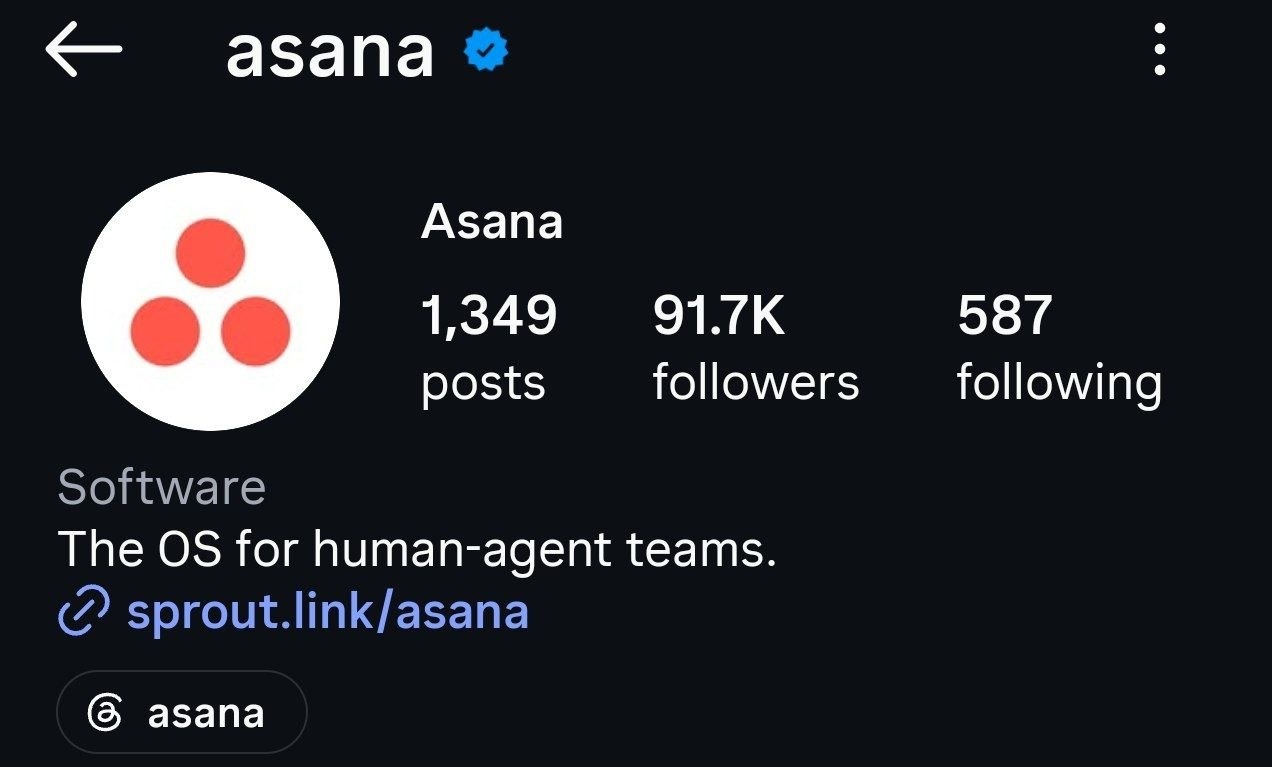
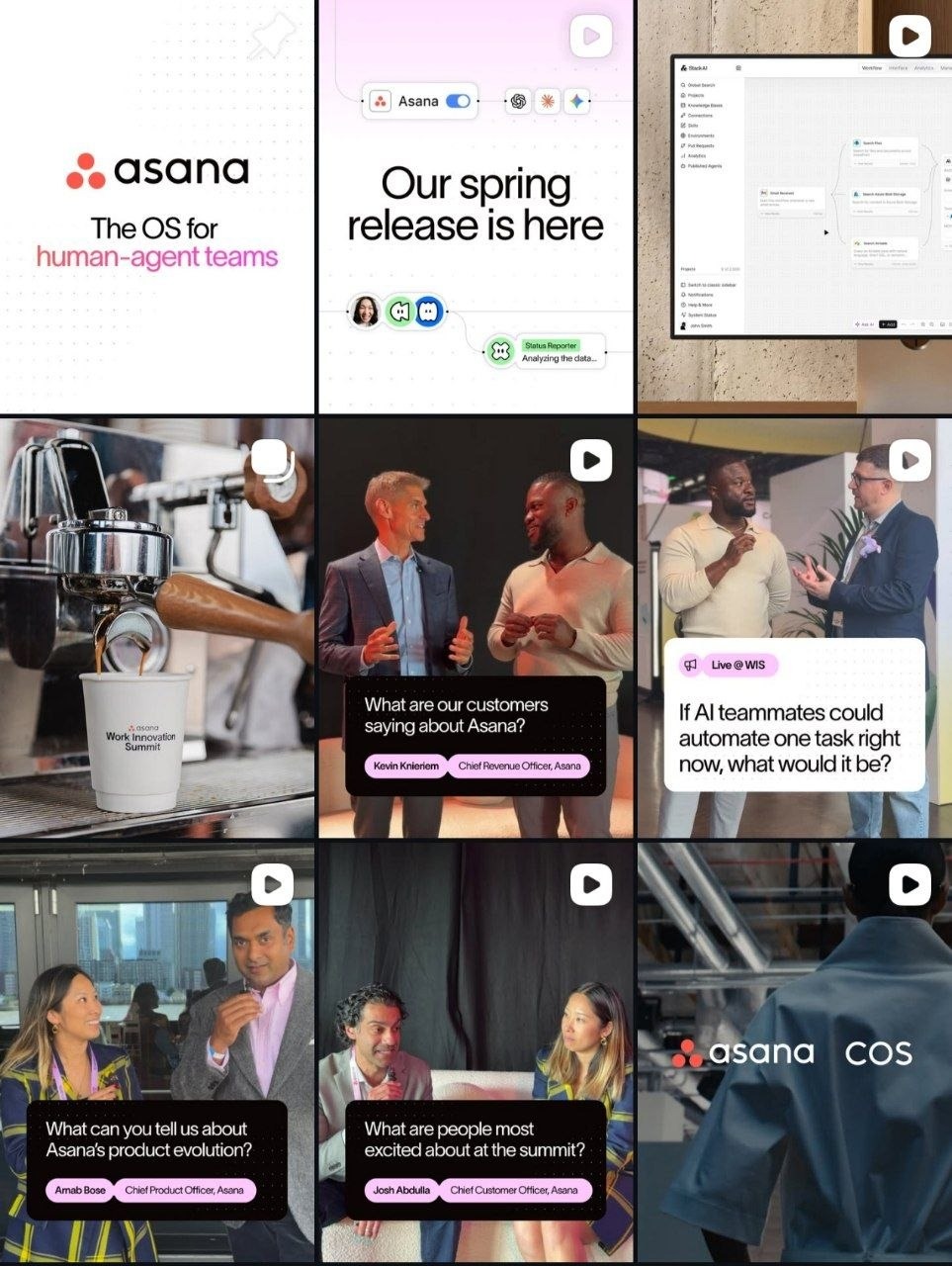
Asana's Instagram is a masterclass in educational carousel content. They run themed content series - productivity tips, workflow guides, leadership lessons - and they do it with production quality that makes their carousels feel like mini courses. One recurring series pairs famous cultural references (like 'Harry and Sally using Asana') with product tutorials. Zero production cost. High shareability.
The Secret Sauce
Asana identified that their ICP - team leads and operations managers - has a specific kind of pain: too many tools, too many meetings, not enough clarity. Every carousel they post addresses that pain directly. The carousel format is ideal here: carousels generate an average 1.92% engagement rate for educational B2B content (Socialinsider, 2024), because people save them for reference. A saved post tells the algorithm your content is worth showing to more people. Asana stacks saves by making their content genuinely reference-worthy.
🎯 Your Takeaway
Pick 3 recurring content series and stick to them for 90 days. Themed series build anticipation, which drives consistent saves - which tells the algorithm to keep distributing your content.
What They Post
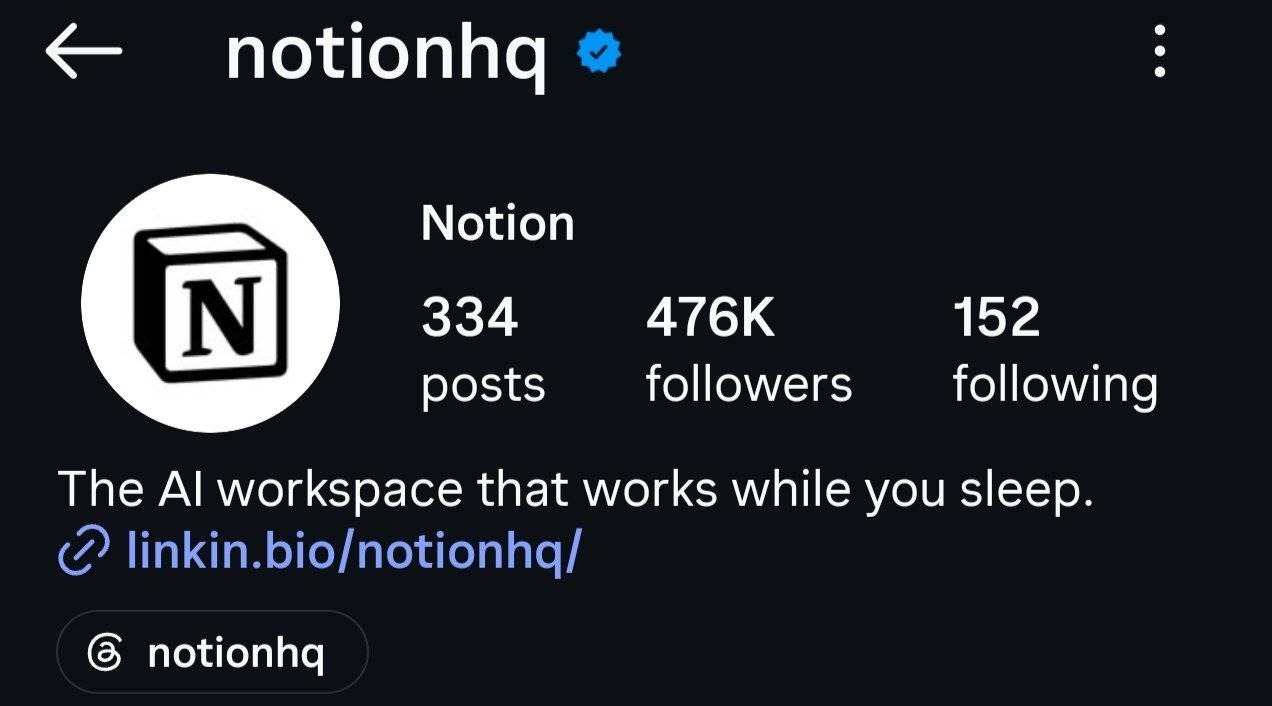
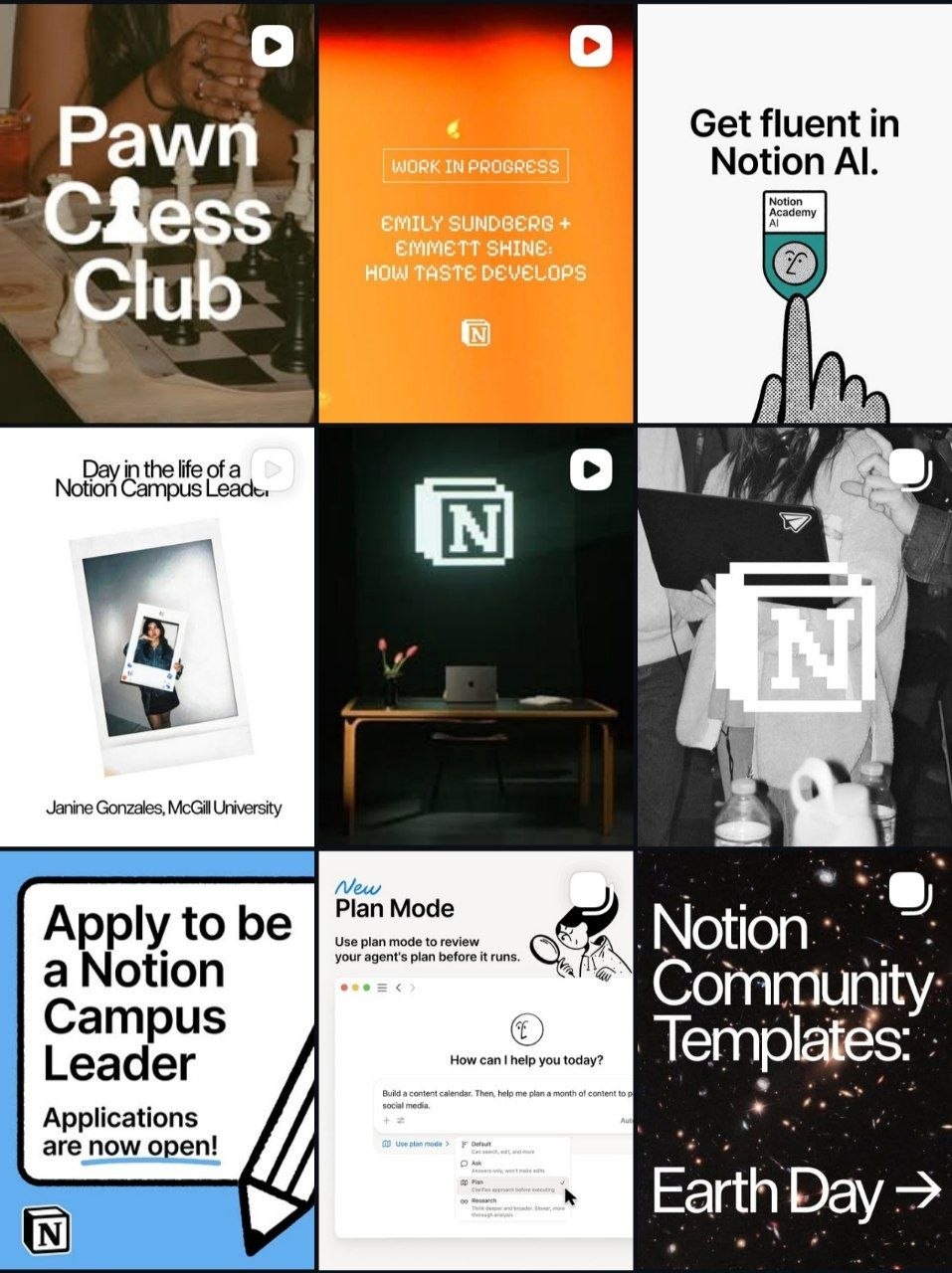
Notion's Instagram is community-first. They regularly feature user workspaces, highlight community-built templates, and post content that celebrates how people use Notion - not what Notion can do. Their aesthetic is minimal, clean, and aspirational. A typical post might show a beautifully organised Notion workspace with the caption 'Your second brain, designed by you.'
The Secret Sauce
Notion figured out that for a productivity tool, the aspiration IS the product. People don't just want to be organised - they want to feel like the kind of person who is organised. Notion's Instagram caters to that identity signal. By making their users the heroes ('look what this person built in Notion'), they tap into the same mechanism that makes Pinterest work: aspiration drives saves, saves drive distribution. Their template-sharing posts are among their highest-performing content because they give immediate, usable value.
🎯 Your Takeaway
Make your users the hero of your content. Feature how they use your tool, not how your tool works. The identity signal ('this is the kind of person I want to be') is more powerful than any feature list.
What They Post
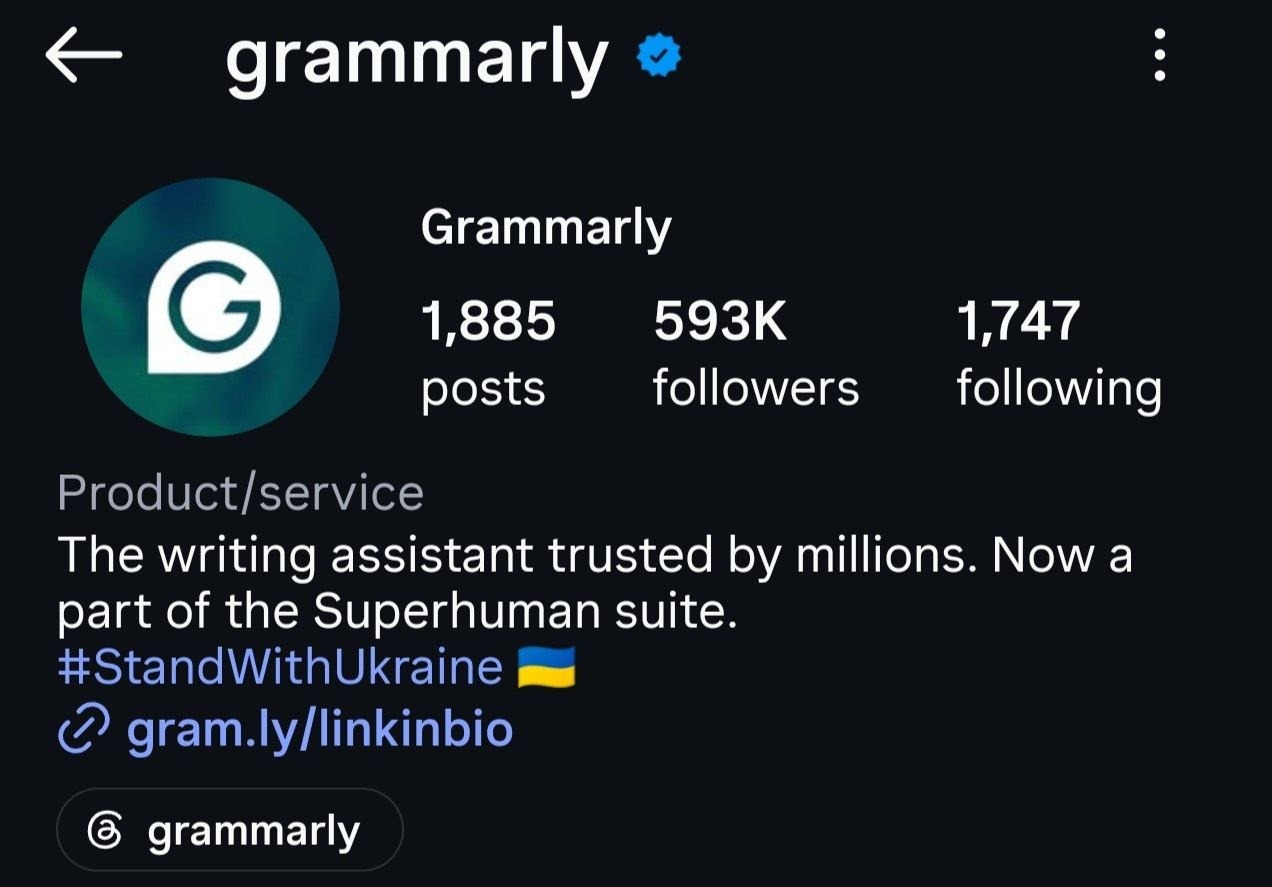
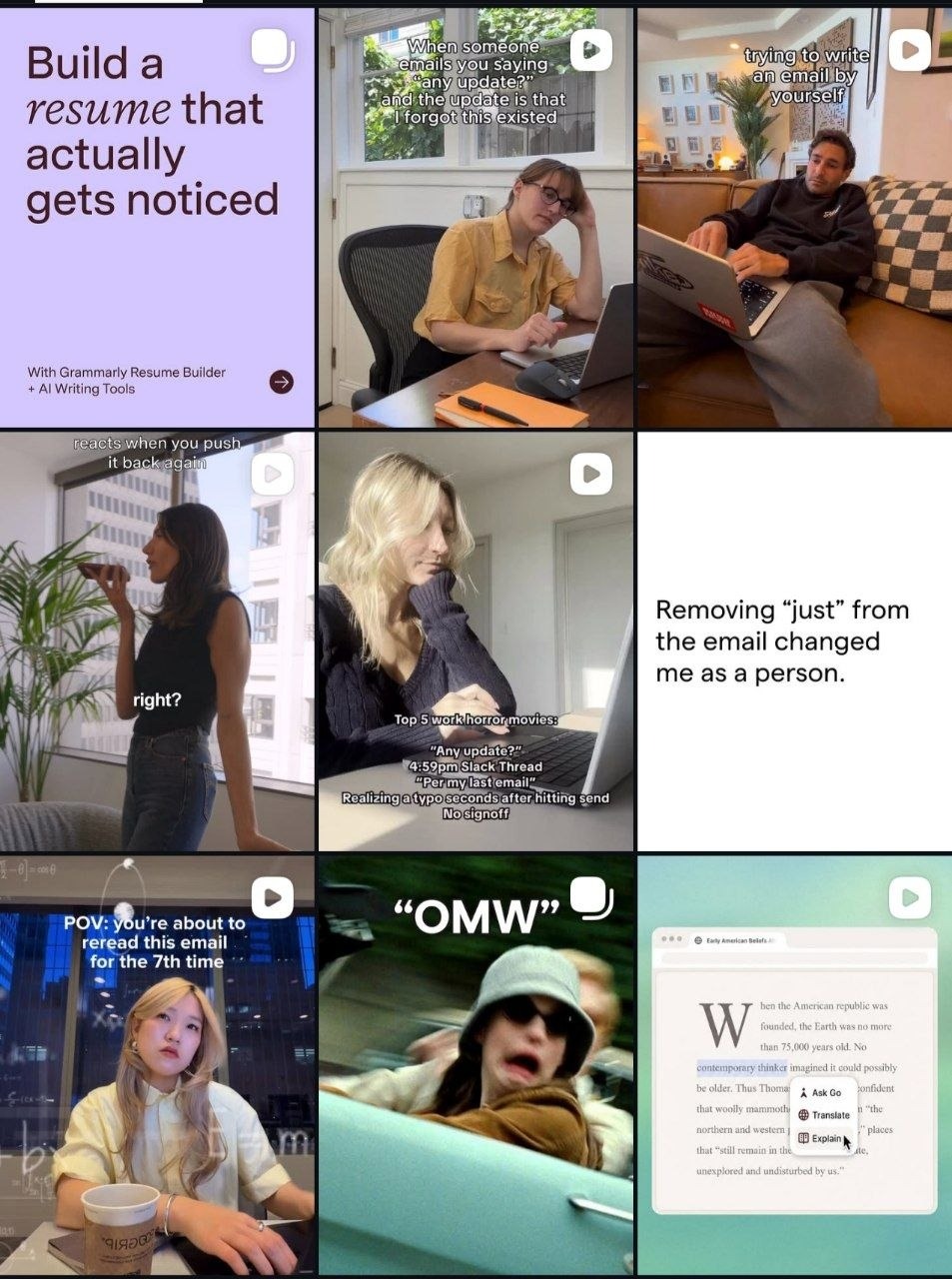
Grammarly's Instagram leans into the universal pain of writing: the blank page, the email you've re-read five times, the formal message you can't quite word right. Their carousels break down writing rules in an accessible, often funny way ('5 words that are making your emails sound passive-aggressive'). Their Reels show relatable writing scenarios that their ICP - professionals, students, marketers - recognise immediately.
The Secret Sauce
Grammarly sells a writing tool to everyone who writes professionally, which is almost everyone. Their Instagram content meets people at the exact moment of their pain: 'I hate this email I just wrote.' By making content about the writing struggle (not the software), they attract a massive audience who eventually discover that Grammarly solves that struggle. It's the classic B2B content play - educate on the problem, then you don't need to sell the solution.
🎯 Your Takeaway
Find the universal, relatable frustration that your software solves. Make content about the frustration - not the fix. The audience will find the fix themselves when they land on your profile.
What They Post
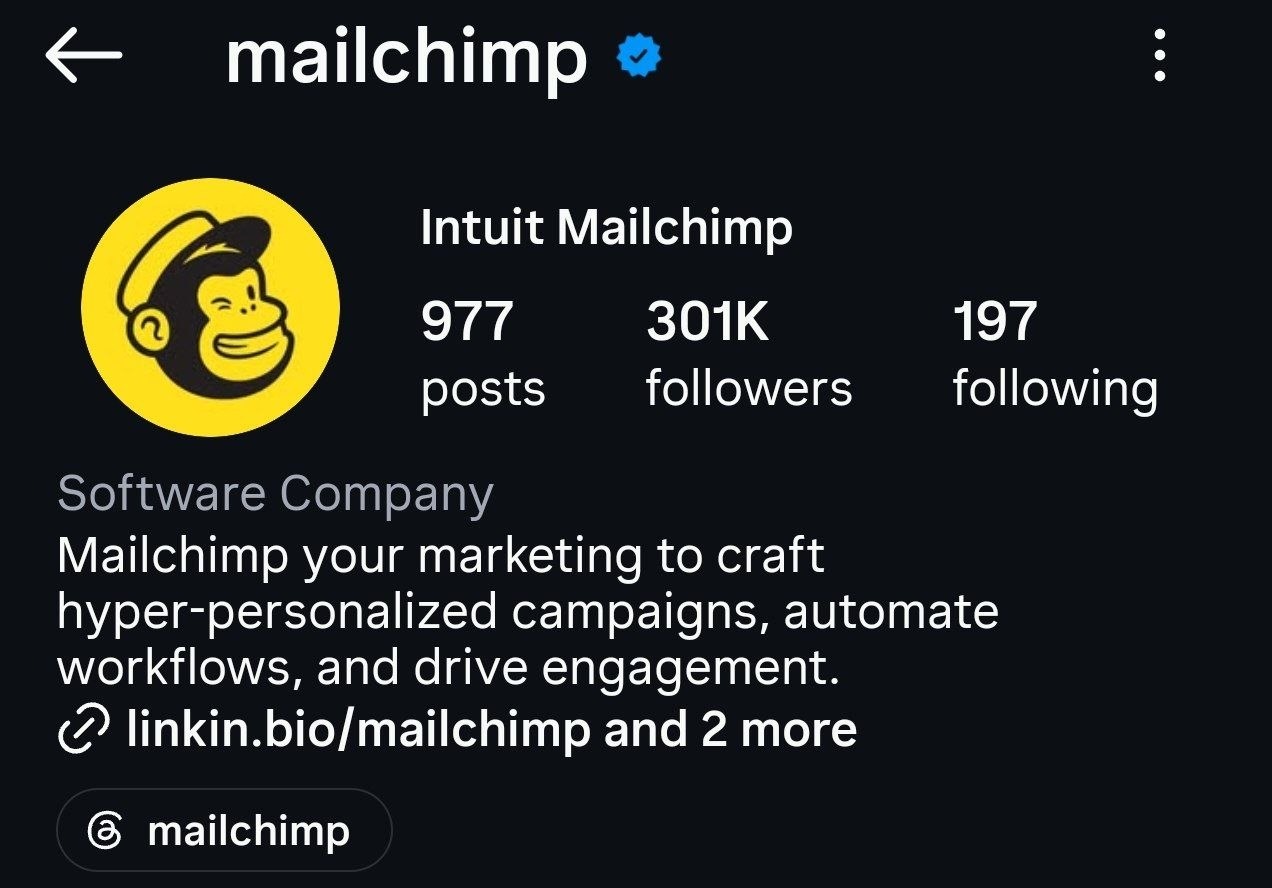
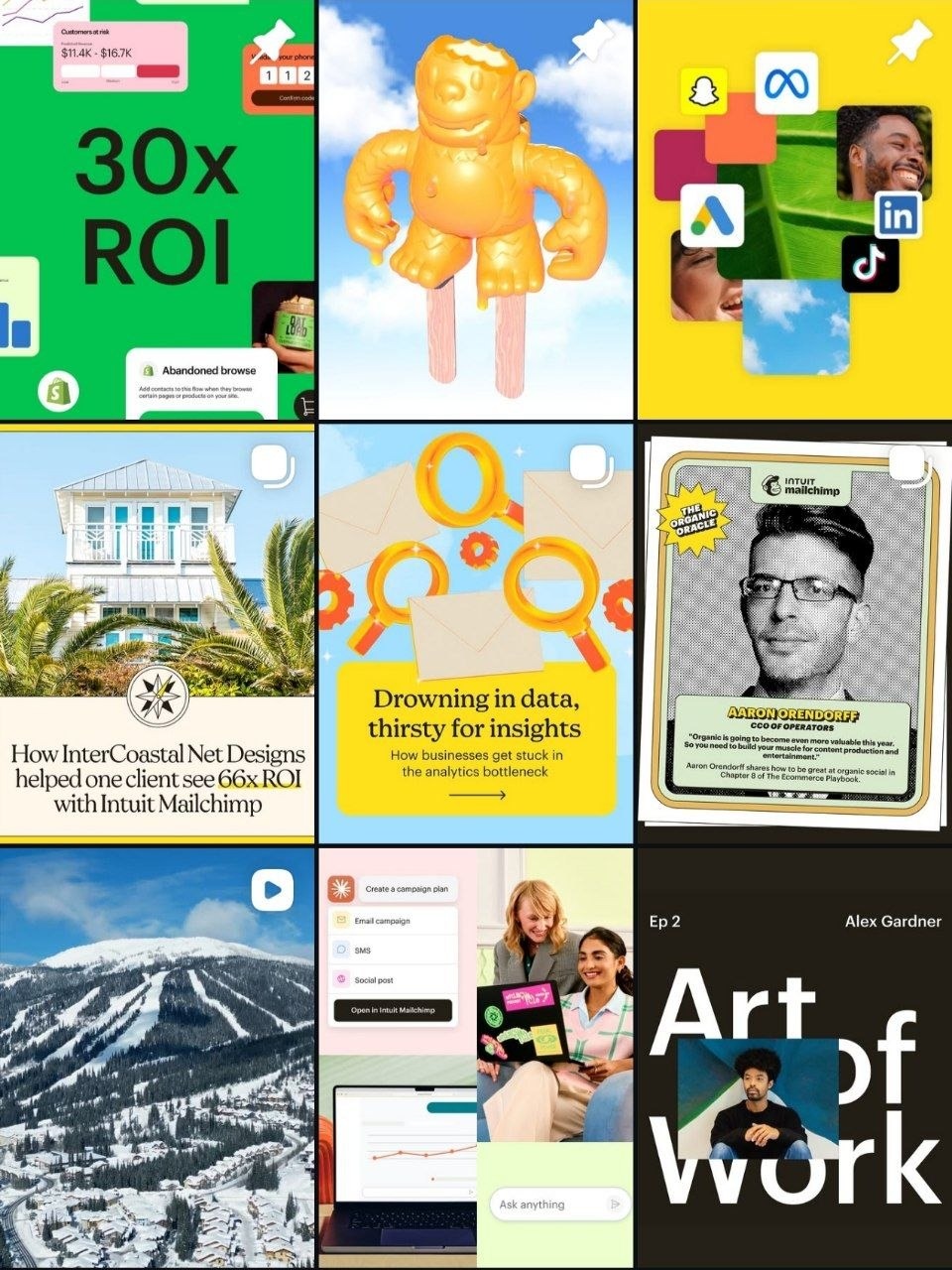
Mailchimp's Instagram is immediately recognisable - their quirky, illustrated brand character and offbeat humour make them look nothing like a software company. They lean into playful, creative content: illustrated campaign stories, oddly charming product demos, and behind-the-scenes content that feels more like an indie design studio than an enterprise SaaS tool. Even their approach to showcasing automation features gets creative.
The Secret Sauce
In a market full of blue-and-white SaaS sameness, Mailchimp made personality a product differentiator. Their Instagram teaches something critical: your visual identity IS a growth strategy. When every other brand in your space looks identical, the one that looks different wins the scroll. Mailchimp also acqui-hired media company Courier with a 100,000-reader magazine, and their Instagram reflects that content DNA - they create things people genuinely want to read, not just see.
🎯 Your Takeaway
Invest in a distinctive visual identity before you invest in content volume. A brand that looks like no one else compounds over time - every post reinforces the identity, every identity reinforcement makes the next post more recognisable.
What They Post
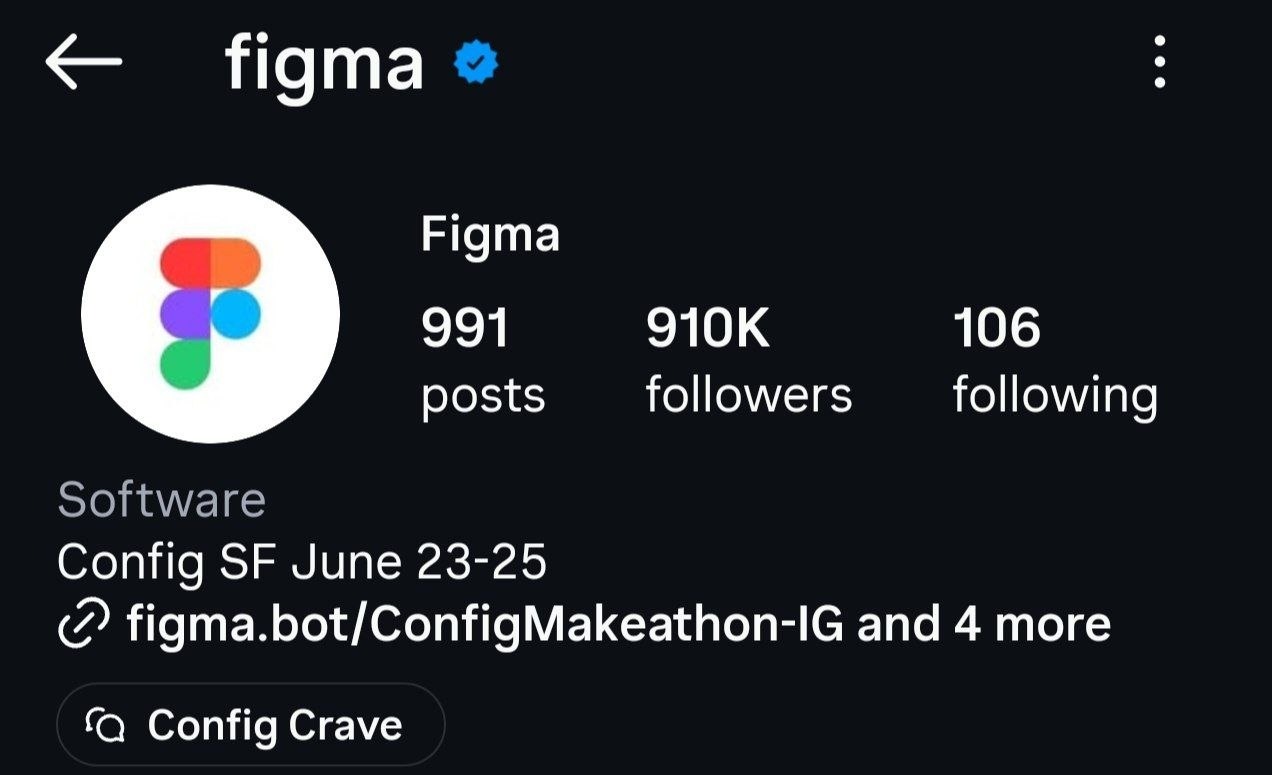
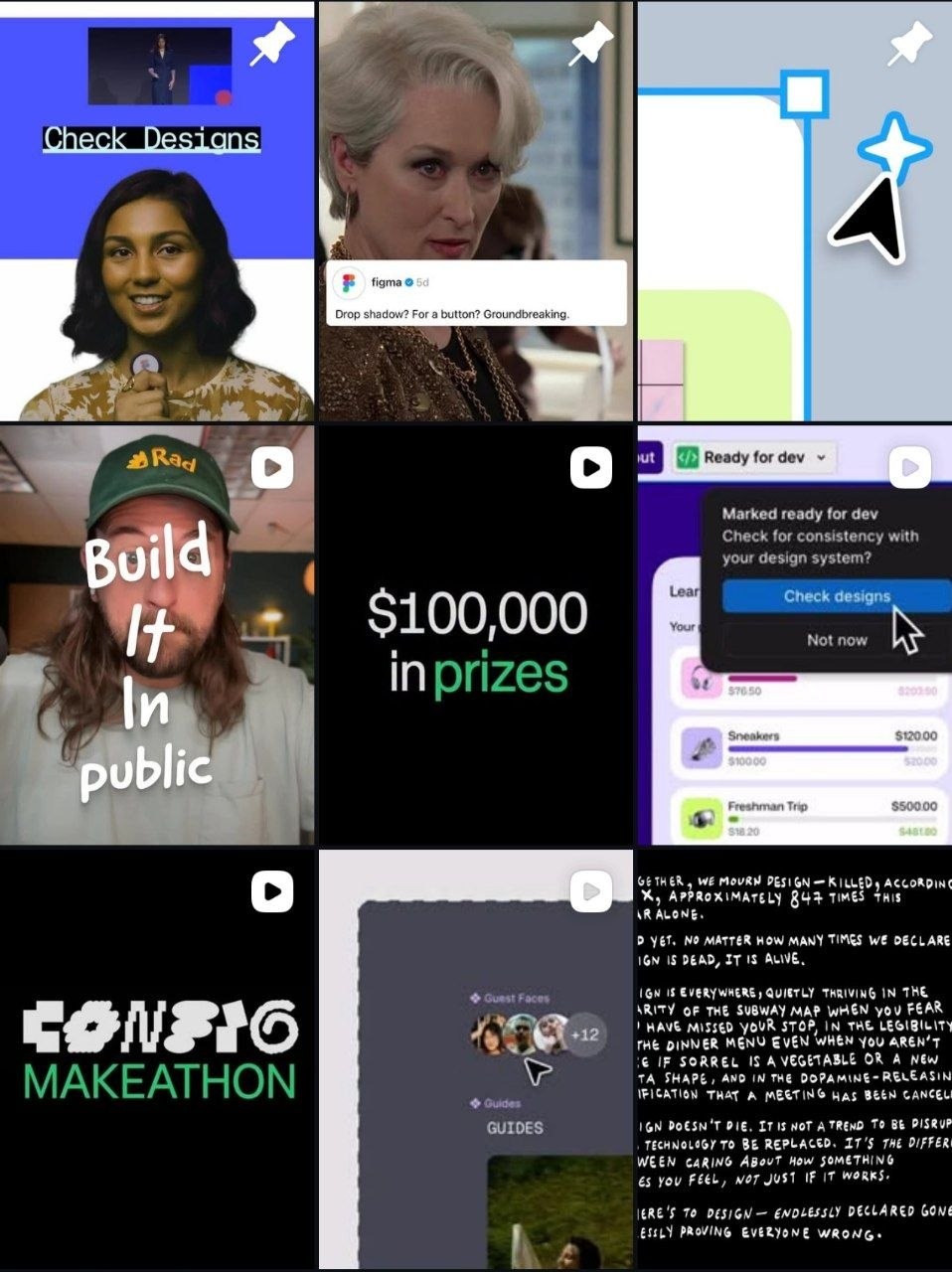
Figma's Instagram is a design community platform disguised as a brand account. They showcase work created by their community - UI screens, design systems, prototypes, motion experiments - at a volume and quality that would be impossible for any internal team to produce. Their Config conference content, community spotlight series, and collaboration with design creators have made @figma a destination account for designers worldwide.
The Secret Sauce
Figma understood that designers are proud of their craft and want to be recognised for it. By curating and celebrating community work, Figma created a positive feedback loop: designers create in Figma, they share it, Figma reposts it, other designers see it and want to be featured too. The product becomes embedded in a professional identity. This is also why Figma's community stayed extraordinarily loyal through Adobe's attempted acquisition - the product and the community had become inseparable.
🎯 Your Takeaway
If your users are professionals who take pride in their work, your best content strategy is to make them famous. Feature their work. Celebrate their craft. The loyalty this creates is worth more than any ad campaign.
Which Format Actually Works for B2B SaaS in 2026?
Every brand above uses formats strategically. Here's what the data says - and what it means for a SaaS account specifically:
What All 8 Brands Have in Common
Pull back from the individual stories and five patterns emerge consistently:
• They teach first, sell second - or often, don't sell on Instagram at all
• They have a distinctive visual identity that works in under 3 seconds
• They treat comments and DMs as content fuel and community signals, not admin to process
• They make their users or community the main character - not the product
• They post consistently enough that the algorithm treats them as a reliable signal - 3–4 posts per week, not daily noise
None of them went viral overnight. All of them built a system - a repeatable content approach - and stayed disciplined for long enough to let compounding work.
What You Can Steal This Week
Theory without action is just content consumption. Here's the fastest path from reading this to seeing results:
The One Move Most B2B SaaS Brands Are Missing
There's a pattern none of the brands above talk about explicitly - but all of them practice. They don't start from scratch for every post.
Canva turns product updates into tutorial Reels. Asana turns blog posts into carousel series. HubSpot turns podcast content into short Reels. Figma turns conference talks into community posts. The discipline isn't creating more - it's extracting more from what already exists.
If you're running a podcast, hosting webinars, recording product demos, or doing any kind of long-form content, you're sitting on a month's worth of Instagram material every time you hit record. The hard part isn't the content - it's the extraction, editing, formatting, and consistent posting that most SaaS teams can't sustain internally.
Ready to Build Your Instagram Flywheel?
If you're already creating content - webinars, podcasts, product demos, team calls - and it's not showing up on Instagram, the issue isn't effort. It's extraction. That's exactly what Komet helps B2B SaaS brands solve.