
10 Amazing Employer Branding Video Examples (and Why They Work)

🪄 AI Summary

Each employer branding video highlights a different hiring signal candidates look for before applying:

‍

Dropbox → Employees tell real stories → culture proven through experience, not claims

Zapier → Focus on customer impact → attracts purpose-driven candidates

Lucid Software → Shows collaboration moments → hires builder-mindset talent

HubSpot → Intern perspective → communicates psychological safety for beginners

Miro → Workspace reflects philosophy → proves way of working

monday.com → Shows internal workflow → demonstrates decision-making speed

Notion → Calm, async environment → attracts deep-work thinkers

Atlassian → Diverse people, shared values → signals compatibility at scale

Typeform → Human interactions → builds belonging and personality fit

Microsoft → Mission and impact → turns job into purpose

‍

Overall takeaway:
Good employer branding videos don’t sell jobs → they help candidates self-select by showing how work actually feels.

‍

Hiring today isn’t just about job descriptions anymore.
Great candidates don’t apply because you’re hiring. They apply because they see themselves working with you.

‍

That’s why employer branding videos outperform traditional careers pages. They compress culture, values, people, and mission into something instantly understandable and emotionally persuasive.

‍

And the data backs it up: candidates trust employees more than recruiters, visuals more than text, and stories more than benefits lists.

‍

What Is an Employer Branding Video?

‍

An employer branding video is a short film that communicates your company’s work culture, values, team dynamics, and mission through storytelling instead of recruitment messaging.

‍

It is not a hiring ad.
It is not a benefit presentation.
It is not a corporate overview.

‍

It is a decision-making shortcut for candidates. Instead of reading 2,000 words about culture, candidates watch 90 seconds and decide if they want to work with you or not. 

‍

Why Employer Branding Videos Matter in 2026
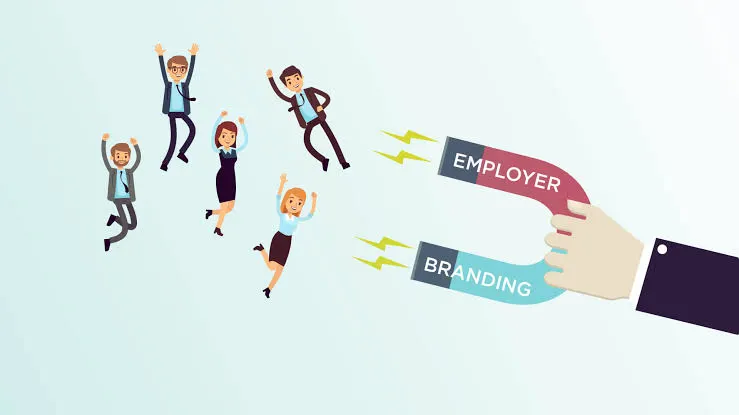
‍

Image Source: Futuremug

‍

The hiring funnel has flipped.

‍

Earlier: Company → Job Post → Candidate Research → Apply

Now: Candidate Research → Do Culture Check → Shortlist Companies → Apply

‍

Here’s what changed:

‍

1. Talent evaluates companies like products

Candidates compare workplaces the way buyers compare SaaS tools. They watch multiple companies before applying to one.

‍

2. Remote and hybrid work removed geographic advantage

You’re no longer competing with nearby companies. You’re competing globally. Culture clarity becomes your differentiator.

‍

3. AI-written job descriptions created sameness

Every company now sounds collaborative, innovative, and fast-paced. The video proves what the text claims.

‍

4. Application quality matters more than quantity

More applications don’t mean better hires. Employer branding filters mismatched candidates before interviews begin.

In short, Employer branding videos reduce hiring friction and increase alignment.

‍

Below are 10 outstanding employer branding videos from SaaS and tech companies and, more importantly, what you can learn from each one when creating your own.

‍

1/ Life Inside Dropbox

‍

‍

Most employer branding videos try to prove the company is great. This one simply lets you experience it. In Dropbox’s “Life Inside Dropbox,” there is no founder monologue, no corporate slides, and no culture buzzwords. What stands out is how little the company talks and how much employees talk. No HR voiceover, no list of perks, no staged office tour. Just real people explaining how they collaborate, why flexibility matters to them, and what working actually feels like. That matters because their entire company is built around distributed work and trust, their Virtual First model literally runs on autonomy and relationships. Instead of claiming culture, they demonstrate it. Research around their talent brand shows they intentionally centered employee stories to humanize the brand and attract the right hires, not just more hires. 

‍

What can you learn from this?

‍

Employer branding is not marketing, it is proof. If your video still says “we have great people” you are describing. If employees naturally tell stories about growth, collaboration and ownership you are showing. People don’t join perks, they join environments where they can imagine themselves belonging. Dropbox sells belonging, and that is why the video works.

‍

2/ Zapier - The Remarkable Value of Customer Connections 

‍

‍

This one is smart because it does not try to sell careers. It sells meaning. The whole story revolves around customer success, not perks, not office shots, not “we are hiring”. You watch employees talk about helping real people succeed with automation and suddenly the job feels purposeful. That is the trick. Great employer branding does not say join us. It makes the viewer think I want to do work like that. Especially for a fully remote company, they cannot rely on fancy campuses, so they build identity through impact. You understand the company mission before you even understand the roles.

‍

What can you learn from this?

‍

The video positions employees as problem solvers in customer stories, which subconsciously attracts candidates who care about ownership and outcomes. Also notice the hiring filter happening quietly. People who want status will skip it, people who want purpose will lean in. That is powerful recruiting content because it attracts and repels at the same time. The best employer branding is not broad appeal, it is precise alignment.

‍

3/ Working at Lucid

‍

‍

This one works because it doesn’t try to “sell jobs”. It sells belonging. The video quietly shows how people collaborate, sketch ideas, whiteboard together, joke around, and actually think. Most employer branding videos shout perks. This one shows intellectual energy. That’s a huge difference. You instantly understand the kind of person who would thrive there: curious, builder-type, low ego, high ownership. And when a candidate can self-select like that, hiring quality goes up before the recruiter even speaks. That’s elite employer branding.

‍

What can you learn from this?

‍

The deeper lesson here is positioning. They never say “we are innovative” or “we have a great culture”. Instead they document how work happens. Candidates don’t trust claims, they trust evidence. By showing problem solving, product thinking, and real collaboration moments, the company attracts people who care about craft, not just compensation. Other companies should learn this: culture is not snacks, culture is how decisions are made. If your video can’t visually prove that, it’s just a careers page in motion.

‍

4/ Day in A Life: Hubspot Intern Edition

‍

‍

This one works because it removes intimidation. Most company videos accidentally talk to experienced professionals. HubSpot talks to someone thinking “I’ve never worked in tech before… will I survive?” The intern narrates confusion, learning, meetings, feedback, even small wins. So instead of a polished company image, you see growth in real time. And that’s powerful because early-career candidates don’t look for prestige first, they look for safety. The video quietly answers the fear every junior has: you won’t be lost here.

‍

What can you learn from this?

‍

Senior employees prove excellence, juniors prove culture. When a company is confident enough to show beginners asking questions, making mistakes, and being supported, it signals psychological safety. That attracts better talent than any benefits slide ever could. Employer branding is not showing your best employees, it’s showing how your worst day as a newcomer would still feel okay.

‍

5/ Miro’s Amsterdam Office | Building the Future of Work

‍

‍

This one is interesting because it doesn’t “sell jobs”. It sells a philosophy.  Miro shows why the office exists at all. The entire narrative is built around collaboration and hybrid work. And that is real because their Amsterdam HQ was literally designed as a living lab where teams experiment, learn and work together, with collaboration spaces making up a major part of the environment. So the video works because the environment is not a backdrop. It is proof of belief. When a company builds space around how people actually work instead of forcing people to fit a space, the brand becomes credible.

‍

What can you learn from this?

‍

Culture is not interviews and smiling employees talking about “great people”. Culture is decisions. Why you work remote. Why you meet. Why the office exists. This video answers a deeper candidate question: will I do meaningful work here or just sit in meetings. Employer branding becomes powerful when you show operating system, not office tour. Candidates don’t join companies anymore. They join ways of working.

‍

6/ monday.com I Why We Keep All Our Marketing In-House

‍

‍

Most companies outsource creativity so their culture never actually shows up in their content. Here you see the opposite. The same people who believe in the product are the ones writing scripts, shooting ads, editing, distributing. That matters because candidates do not trust career pages anymore, they trust workflows. When you watch this, you understand how decisions get made inside the company, how fast ideas move and why execution feels consistent. They are showing the operating system of the company, not the office tour.

‍

What can you learn from this?

‍

Employer branding works when the content format matches how the company works internally. monday.com runs on collaboration and iteration so their branding shows process and experimentation instead of polished perfection. Other companies try to look impressive. This one tries to look real. If your hiring videos feel staged, it means your internal culture is probably layered with approvals. The takeaway is simple. Do not film culture. Film how work actually happens. That is what candidates evaluate before applying, even if they never consciously realize it.

‍

7/ Life at Notion I How we work

‍‍

‍

This video works because it feels calm. Not impressive. Not loud. Calm. And that is exactly the signal. In Notion’s video you see slow conversations, async thinking, writing, documenting, and small collaborative discussions. Nothing looks rushed. That tells a candidate more than any statement about “deep work culture”. You instantly understand this is a company where thinking is valued more than reacting. The pacing of the video itself becomes the culture proof.

‍

What can you learn from this?

‍

The lesson here is powerful. Employer branding is not what employees say, it is what the environment allows. Instead of claiming flexibility or focus time, they visually demonstrate it through silence, documentation, and thoughtful communication. The right candidates feel relief watching it, the wrong candidates feel bored. And that is perfect hiring content. Great employer branding does not try to attract everyone. It filters for people who work the same way you do.

‍

8/ Life At Atlassian

‍

‍

This one feels less like a company introduction and more like a community introduction. The video keeps moving across different people, teams, locations, personalities, and you slowly realize the point is not sameness, it is alignment. Nobody talks the same, nobody works the same, yet everyone is connected by shared principles. That communicates scale without feeling corporate. You don’t see hierarchy, you see collaboration networks. For a global company, that matters because candidates are not evaluating an office anymore, they are evaluating how humans interact across distance.

‍

What can you learn from this?

‍

Many employer branding videos try to look consistent. Atlassian shows consistency of values, not behavior. People laugh differently, communicate differently, solve problems differently, but decision making feels compatible. That tells a candidate they won’t need to change personality to fit in. Great employer branding does not promise a perfect environment. It proves a compatible one. When viewers feel “people like me exist there”, the application decision is almost already made.

‍

9/ Life at Typeform

‍

‍

This one works because it doesn’t try to sell jobs, it sells a feeling. The video quietly communicates their philosophy that business should feel human. You see people collaborating, joking, cooking, working across cultures, not staged “smile at laptop” shots. That matches what the company actually builds, software meant to make digital interactions feel personal. When brand promise and employee experience match, candidates trust you instantly. Research around their culture shows they operate globally with dozens of nationalities and a remote-friendly structure built around human conversations, and the film visually proves it instead of saying it

‍

What can you learn from this?

‍

Don’t list perks, demonstrate behaviour. Instead of “we have a great culture,” show how people talk to each other, how leaders act, and what a normal Tuesday feels like. The strongest employer branding videos feel like a documentary, not HR marketing. Typeform makes you imagine yourself there before you even read the job description. That is the real goal, not awareness, but belonging.

‍

10/ Working at Microsoft

‍

‍

‍

This one works because it doesn’t try to “sell jobs”. It sells meaning. Almost every employee line talks about impact, inspiration, and feeling part of something bigger, not perks. That’s intentional. Big tech already has brand power, so the video shifts the narrative from benefits to purpose. Instead of “look at our office”, it quietly says your work here reaches millions of people. That reframes a job into a mission, and that’s psychologically far stronger for candidates deciding between multiple offers.

‍

What can you learn from this?

‍

Employer branding is not office tours, it’s identity marketing. The video repeatedly shows collaboration, diverse teams and personal growth stories which mirrors how the company frames culture as empowering people to build and grow together . So the takeaway is simple: stop listing perks and start answering a deeper question in the candidate’s mind. Who do I become if I work here? The moment your video answers that, hiring becomes attraction instead of persuasion.

‍

Turn Your Employer Branding Videos Into a Hiring Engine

‍

Employer branding videos are not just about showing your office. They are about showing your thinking, your culture, and the kind of people great talent wants to work with.

‍

If you want to understand how to actually plan employer branding videos that attract the right candidates, book a demo call with us. We will walk you through the structure, formats, and content strategy that works in 2026.

‍

Already have raw footage from a shoot but don’t know how to turn it into something engaging and market-ready?


Fill out our form and we will edit a free sample clip for you so you can see the difference before committing.

‍

Plan better. Present better. Hire better.

‍

Hiring today isn’t just about job descriptions anymore.
Great candidates don’t apply because you’re hiring. They apply because they see themselves working with you.

‍

That’s why employer branding videos outperform traditional careers pages. They compress culture, values, people, and mission into something instantly understandable and emotionally persuasive.

‍

And the data backs it up: candidates trust employees more than recruiters, visuals more than text, and stories more than benefits lists.

‍

What Is an Employer Branding Video?

‍

An employer branding video is a short film that communicates your company’s work culture, values, team dynamics, and mission through storytelling instead of recruitment messaging.

‍

It is not a hiring ad.
It is not a benefit presentation.
It is not a corporate overview.

‍

It is a decision-making shortcut for candidates. Instead of reading 2,000 words about culture, candidates watch 90 seconds and decide if they want to work with you or not. 

‍

Why Employer Branding Videos Matter in 2026

‍

Image Source: Futuremug

‍

The hiring funnel has flipped.

‍

Earlier: Company → Job Post → Candidate Research → Apply

Now: Candidate Research → Do Culture Check → Shortlist Companies → Apply

‍

Here’s what changed:

‍

1. Talent evaluates companies like products

Candidates compare workplaces the way buyers compare SaaS tools. They watch multiple companies before applying to one.

‍

2. Remote and hybrid work removed geographic advantage

You’re no longer competing with nearby companies. You’re competing globally. Culture clarity becomes your differentiator.

‍

3. AI-written job descriptions created sameness

Every company now sounds collaborative, innovative, and fast-paced. The video proves what the text claims.

‍

4. Application quality matters more than quantity

More applications don’t mean better hires. Employer branding filters mismatched candidates before interviews begin.

In short, Employer branding videos reduce hiring friction and increase alignment.

‍

Below are 10 outstanding employer branding videos from SaaS and tech companies and, more importantly, what you can learn from each one when creating your own.

‍

1/ Life Inside Dropbox

‍

‍

Most employer branding videos try to prove the company is great. This one simply lets you experience it. In Dropbox’s “Life Inside Dropbox,” there is no founder monologue, no corporate slides, and no culture buzzwords. What stands out is how little the company talks and how much employees talk. No HR voiceover, no list of perks, no staged office tour. Just real people explaining how they collaborate, why flexibility matters to them, and what working actually feels like. That matters because their entire company is built around distributed work and trust, their Virtual First model literally runs on autonomy and relationships. Instead of claiming culture, they demonstrate it. Research around their talent brand shows they intentionally centered employee stories to humanize the brand and attract the right hires, not just more hires. 

‍

What can you learn from this?

‍

Employer branding is not marketing, it is proof. If your video still says “we have great people” you are describing. If employees naturally tell stories about growth, collaboration and ownership you are showing. People don’t join perks, they join environments where they can imagine themselves belonging. Dropbox sells belonging, and that is why the video works.

‍

2/ Zapier - The Remarkable Value of Customer Connections 

‍

‍

This one is smart because it does not try to sell careers. It sells meaning. The whole story revolves around customer success, not perks, not office shots, not “we are hiring”. You watch employees talk about helping real people succeed with automation and suddenly the job feels purposeful. That is the trick. Great employer branding does not say join us. It makes the viewer think I want to do work like that. Especially for a fully remote company, they cannot rely on fancy campuses, so they build identity through impact. You understand the company mission before you even understand the roles.

‍

What can you learn from this?

‍

The video positions employees as problem solvers in customer stories, which subconsciously attracts candidates who care about ownership and outcomes. Also notice the hiring filter happening quietly. People who want status will skip it, people who want purpose will lean in. That is powerful recruiting content because it attracts and repels at the same time. The best employer branding is not broad appeal, it is precise alignment.

‍

3/ Working at Lucid

‍

‍

This one works because it doesn’t try to “sell jobs”. It sells belonging. The video quietly shows how people collaborate, sketch ideas, whiteboard together, joke around, and actually think. Most employer branding videos shout perks. This one shows intellectual energy. That’s a huge difference. You instantly understand the kind of person who would thrive there: curious, builder-type, low ego, high ownership. And when a candidate can self-select like that, hiring quality goes up before the recruiter even speaks. That’s elite employer branding.

‍

What can you learn from this?

‍

The deeper lesson here is positioning. They never say “we are innovative” or “we have a great culture”. Instead they document how work happens. Candidates don’t trust claims, they trust evidence. By showing problem solving, product thinking, and real collaboration moments, the company attracts people who care about craft, not just compensation. Other companies should learn this: culture is not snacks, culture is how decisions are made. If your video can’t visually prove that, it’s just a careers page in motion.

‍

4/ Day in A Life: Hubspot Intern Edition

‍

‍

This one works because it removes intimidation. Most company videos accidentally talk to experienced professionals. HubSpot talks to someone thinking “I’ve never worked in tech before… will I survive?” The intern narrates confusion, learning, meetings, feedback, even small wins. So instead of a polished company image, you see growth in real time. And that’s powerful because early-career candidates don’t look for prestige first, they look for safety. The video quietly answers the fear every junior has: you won’t be lost here.

‍

What can you learn from this?

‍

Senior employees prove excellence, juniors prove culture. When a company is confident enough to show beginners asking questions, making mistakes, and being supported, it signals psychological safety. That attracts better talent than any benefits slide ever could. Employer branding is not showing your best employees, it’s showing how your worst day as a newcomer would still feel okay.

‍

5/ Miro’s Amsterdam Office | Building the Future of Work

‍

‍

This one is interesting because it doesn’t “sell jobs”. It sells a philosophy.  Miro shows why the office exists at all. The entire narrative is built around collaboration and hybrid work. And that is real because their Amsterdam HQ was literally designed as a living lab where teams experiment, learn and work together, with collaboration spaces making up a major part of the environment. So the video works because the environment is not a backdrop. It is proof of belief. When a company builds space around how people actually work instead of forcing people to fit a space, the brand becomes credible.

‍

What can you learn from this?

‍

Culture is not interviews and smiling employees talking about “great people”. Culture is decisions. Why you work remote. Why you meet. Why the office exists. This video answers a deeper candidate question: will I do meaningful work here or just sit in meetings. Employer branding becomes powerful when you show operating system, not office tour. Candidates don’t join companies anymore. They join ways of working.

‍

6/ monday.com I Why We Keep All Our Marketing In-House

‍

‍

Most companies outsource creativity so their culture never actually shows up in their content. Here you see the opposite. The same people who believe in the product are the ones writing scripts, shooting ads, editing, distributing. That matters because candidates do not trust career pages anymore, they trust workflows. When you watch this, you understand how decisions get made inside the company, how fast ideas move and why execution feels consistent. They are showing the operating system of the company, not the office tour.

‍

What can you learn from this?

‍

Employer branding works when the content format matches how the company works internally. monday.com runs on collaboration and iteration so their branding shows process and experimentation instead of polished perfection. Other companies try to look impressive. This one tries to look real. If your hiring videos feel staged, it means your internal culture is probably layered with approvals. The takeaway is simple. Do not film culture. Film how work actually happens. That is what candidates evaluate before applying, even if they never consciously realize it.

‍

7/ Life at Notion I How we work

‍‍

‍

This video works because it feels calm. Not impressive. Not loud. Calm. And that is exactly the signal. In Notion’s video you see slow conversations, async thinking, writing, documenting, and small collaborative discussions. Nothing looks rushed. That tells a candidate more than any statement about “deep work culture”. You instantly understand this is a company where thinking is valued more than reacting. The pacing of the video itself becomes the culture proof.

‍

What can you learn from this?

‍

The lesson here is powerful. Employer branding is not what employees say, it is what the environment allows. Instead of claiming flexibility or focus time, they visually demonstrate it through silence, documentation, and thoughtful communication. The right candidates feel relief watching it, the wrong candidates feel bored. And that is perfect hiring content. Great employer branding does not try to attract everyone. It filters for people who work the same way you do.

‍

8/ Life At Atlassian

‍

‍

This one feels less like a company introduction and more like a community introduction. The video keeps moving across different people, teams, locations, personalities, and you slowly realize the point is not sameness, it is alignment. Nobody talks the same, nobody works the same, yet everyone is connected by shared principles. That communicates scale without feeling corporate. You don’t see hierarchy, you see collaboration networks. For a global company, that matters because candidates are not evaluating an office anymore, they are evaluating how humans interact across distance.

‍

What can you learn from this?

‍

Many employer branding videos try to look consistent. Atlassian shows consistency of values, not behavior. People laugh differently, communicate differently, solve problems differently, but decision making feels compatible. That tells a candidate they won’t need to change personality to fit in. Great employer branding does not promise a perfect environment. It proves a compatible one. When viewers feel “people like me exist there”, the application decision is almost already made.

‍

9/ Life at Typeform

‍

‍

This one works because it doesn’t try to sell jobs, it sells a feeling. The video quietly communicates their philosophy that business should feel human. You see people collaborating, joking, cooking, working across cultures, not staged “smile at laptop” shots. That matches what the company actually builds, software meant to make digital interactions feel personal. When brand promise and employee experience match, candidates trust you instantly. Research around their culture shows they operate globally with dozens of nationalities and a remote-friendly structure built around human conversations, and the film visually proves it instead of saying it

‍

What can you learn from this?

‍

Don’t list perks, demonstrate behaviour. Instead of “we have a great culture,” show how people talk to each other, how leaders act, and what a normal Tuesday feels like. The strongest employer branding videos feel like a documentary, not HR marketing. Typeform makes you imagine yourself there before you even read the job description. That is the real goal, not awareness, but belonging.

‍

10/ Working at Microsoft

‍

‍

‍

This one works because it doesn’t try to “sell jobs”. It sells meaning. Almost every employee line talks about impact, inspiration, and feeling part of something bigger, not perks. That’s intentional. Big tech already has brand power, so the video shifts the narrative from benefits to purpose. Instead of “look at our office”, it quietly says your work here reaches millions of people. That reframes a job into a mission, and that’s psychologically far stronger for candidates deciding between multiple offers.

‍

What can you learn from this?

‍

Employer branding is not office tours, it’s identity marketing. The video repeatedly shows collaboration, diverse teams and personal growth stories which mirrors how the company frames culture as empowering people to build and grow together . So the takeaway is simple: stop listing perks and start answering a deeper question in the candidate’s mind. Who do I become if I work here? The moment your video answers that, hiring becomes attraction instead of persuasion.

‍

Turn Your Employer Branding Videos Into a Hiring Engine

‍

Employer branding videos are not just about showing your office. They are about showing your thinking, your culture, and the kind of people great talent wants to work with.

‍

If you want to understand how to actually plan employer branding videos that attract the right candidates, book a demo call with us. We will walk you through the structure, formats, and content strategy that works in 2026.

‍

Already have raw footage from a shoot but don’t know how to turn it into something engaging and market-ready?


Fill out our form and we will edit a free sample clip for you so you can see the difference before committing.

‍

Plan better. Present better. Hire better.

‍

Hiring today isn’t just about job descriptions anymore.
Great candidates don’t apply because you’re hiring. They apply because they see themselves working with you.

‍

That’s why employer branding videos outperform traditional careers pages. They compress culture, values, people, and mission into something instantly understandable and emotionally persuasive.

‍

And the data backs it up: candidates trust employees more than recruiters, visuals more than text, and stories more than benefits lists.

‍

What Is an Employer Branding Video?

‍

An employer branding video is a short film that communicates your company’s work culture, values, team dynamics, and mission through storytelling instead of recruitment messaging.

‍

It is not a hiring ad.
It is not a benefit presentation.
It is not a corporate overview.

‍

It is a decision-making shortcut for candidates. Instead of reading 2,000 words about culture, candidates watch 90 seconds and decide if they want to work with you or not. 

‍

Why Employer Branding Videos Matter in 2026

‍

Image Source: Futuremug

‍

The hiring funnel has flipped.

‍

Earlier: Company → Job Post → Candidate Research → Apply

Now: Candidate Research → Do Culture Check → Shortlist Companies → Apply

‍

Here’s what changed:

‍

1. Talent evaluates companies like products

Candidates compare workplaces the way buyers compare SaaS tools. They watch multiple companies before applying to one.

‍

2. Remote and hybrid work removed geographic advantage

You’re no longer competing with nearby companies. You’re competing globally. Culture clarity becomes your differentiator.

‍

3. AI-written job descriptions created sameness

Every company now sounds collaborative, innovative, and fast-paced. The video proves what the text claims.

‍

4. Application quality matters more than quantity

More applications don’t mean better hires. Employer branding filters mismatched candidates before interviews begin.

In short, Employer branding videos reduce hiring friction and increase alignment.

‍

Below are 10 outstanding employer branding videos from SaaS and tech companies and, more importantly, what you can learn from each one when creating your own.

‍

1/ Life Inside Dropbox

‍

‍

Most employer branding videos try to prove the company is great. This one simply lets you experience it. In Dropbox’s “Life Inside Dropbox,” there is no founder monologue, no corporate slides, and no culture buzzwords. What stands out is how little the company talks and how much employees talk. No HR voiceover, no list of perks, no staged office tour. Just real people explaining how they collaborate, why flexibility matters to them, and what working actually feels like. That matters because their entire company is built around distributed work and trust, their Virtual First model literally runs on autonomy and relationships. Instead of claiming culture, they demonstrate it. Research around their talent brand shows they intentionally centered employee stories to humanize the brand and attract the right hires, not just more hires. 

‍

What can you learn from this?

‍

Employer branding is not marketing, it is proof. If your video still says “we have great people” you are describing. If employees naturally tell stories about growth, collaboration and ownership you are showing. People don’t join perks, they join environments where they can imagine themselves belonging. Dropbox sells belonging, and that is why the video works.

‍

2/ Zapier - The Remarkable Value of Customer Connections 

‍

‍

This one is smart because it does not try to sell careers. It sells meaning. The whole story revolves around customer success, not perks, not office shots, not “we are hiring”. You watch employees talk about helping real people succeed with automation and suddenly the job feels purposeful. That is the trick. Great employer branding does not say join us. It makes the viewer think I want to do work like that. Especially for a fully remote company, they cannot rely on fancy campuses, so they build identity through impact. You understand the company mission before you even understand the roles.

‍

What can you learn from this?

‍

The video positions employees as problem solvers in customer stories, which subconsciously attracts candidates who care about ownership and outcomes. Also notice the hiring filter happening quietly. People who want status will skip it, people who want purpose will lean in. That is powerful recruiting content because it attracts and repels at the same time. The best employer branding is not broad appeal, it is precise alignment.

‍

3/ Working at Lucid

‍

‍

This one works because it doesn’t try to “sell jobs”. It sells belonging. The video quietly shows how people collaborate, sketch ideas, whiteboard together, joke around, and actually think. Most employer branding videos shout perks. This one shows intellectual energy. That’s a huge difference. You instantly understand the kind of person who would thrive there: curious, builder-type, low ego, high ownership. And when a candidate can self-select like that, hiring quality goes up before the recruiter even speaks. That’s elite employer branding.

‍

What can you learn from this?

‍

The deeper lesson here is positioning. They never say “we are innovative” or “we have a great culture”. Instead they document how work happens. Candidates don’t trust claims, they trust evidence. By showing problem solving, product thinking, and real collaboration moments, the company attracts people who care about craft, not just compensation. Other companies should learn this: culture is not snacks, culture is how decisions are made. If your video can’t visually prove that, it’s just a careers page in motion.

‍

4/ Day in A Life: Hubspot Intern Edition

‍

‍

This one works because it removes intimidation. Most company videos accidentally talk to experienced professionals. HubSpot talks to someone thinking “I’ve never worked in tech before… will I survive?” The intern narrates confusion, learning, meetings, feedback, even small wins. So instead of a polished company image, you see growth in real time. And that’s powerful because early-career candidates don’t look for prestige first, they look for safety. The video quietly answers the fear every junior has: you won’t be lost here.

‍

What can you learn from this?

‍

Senior employees prove excellence, juniors prove culture. When a company is confident enough to show beginners asking questions, making mistakes, and being supported, it signals psychological safety. That attracts better talent than any benefits slide ever could. Employer branding is not showing your best employees, it’s showing how your worst day as a newcomer would still feel okay.

‍

5/ Miro’s Amsterdam Office | Building the Future of Work

‍

‍

This one is interesting because it doesn’t “sell jobs”. It sells a philosophy.  Miro shows why the office exists at all. The entire narrative is built around collaboration and hybrid work. And that is real because their Amsterdam HQ was literally designed as a living lab where teams experiment, learn and work together, with collaboration spaces making up a major part of the environment. So the video works because the environment is not a backdrop. It is proof of belief. When a company builds space around how people actually work instead of forcing people to fit a space, the brand becomes credible.

‍

What can you learn from this?

‍

Culture is not interviews and smiling employees talking about “great people”. Culture is decisions. Why you work remote. Why you meet. Why the office exists. This video answers a deeper candidate question: will I do meaningful work here or just sit in meetings. Employer branding becomes powerful when you show operating system, not office tour. Candidates don’t join companies anymore. They join ways of working.

‍

6/ monday.com I Why We Keep All Our Marketing In-House

‍

‍

Most companies outsource creativity so their culture never actually shows up in their content. Here you see the opposite. The same people who believe in the product are the ones writing scripts, shooting ads, editing, distributing. That matters because candidates do not trust career pages anymore, they trust workflows. When you watch this, you understand how decisions get made inside the company, how fast ideas move and why execution feels consistent. They are showing the operating system of the company, not the office tour.

‍

What can you learn from this?

‍

Employer branding works when the content format matches how the company works internally. monday.com runs on collaboration and iteration so their branding shows process and experimentation instead of polished perfection. Other companies try to look impressive. This one tries to look real. If your hiring videos feel staged, it means your internal culture is probably layered with approvals. The takeaway is simple. Do not film culture. Film how work actually happens. That is what candidates evaluate before applying, even if they never consciously realize it.

‍

7/ Life at Notion I How we work

‍‍

‍

This video works because it feels calm. Not impressive. Not loud. Calm. And that is exactly the signal. In Notion’s video you see slow conversations, async thinking, writing, documenting, and small collaborative discussions. Nothing looks rushed. That tells a candidate more than any statement about “deep work culture”. You instantly understand this is a company where thinking is valued more than reacting. The pacing of the video itself becomes the culture proof.

‍

What can you learn from this?

‍

The lesson here is powerful. Employer branding is not what employees say, it is what the environment allows. Instead of claiming flexibility or focus time, they visually demonstrate it through silence, documentation, and thoughtful communication. The right candidates feel relief watching it, the wrong candidates feel bored. And that is perfect hiring content. Great employer branding does not try to attract everyone. It filters for people who work the same way you do.

‍

8/ Life At Atlassian

‍

‍

This one feels less like a company introduction and more like a community introduction. The video keeps moving across different people, teams, locations, personalities, and you slowly realize the point is not sameness, it is alignment. Nobody talks the same, nobody works the same, yet everyone is connected by shared principles. That communicates scale without feeling corporate. You don’t see hierarchy, you see collaboration networks. For a global company, that matters because candidates are not evaluating an office anymore, they are evaluating how humans interact across distance.

‍

What can you learn from this?

‍

Many employer branding videos try to look consistent. Atlassian shows consistency of values, not behavior. People laugh differently, communicate differently, solve problems differently, but decision making feels compatible. That tells a candidate they won’t need to change personality to fit in. Great employer branding does not promise a perfect environment. It proves a compatible one. When viewers feel “people like me exist there”, the application decision is almost already made.

‍

9/ Life at Typeform

‍

‍

This one works because it doesn’t try to sell jobs, it sells a feeling. The video quietly communicates their philosophy that business should feel human. You see people collaborating, joking, cooking, working across cultures, not staged “smile at laptop” shots. That matches what the company actually builds, software meant to make digital interactions feel personal. When brand promise and employee experience match, candidates trust you instantly. Research around their culture shows they operate globally with dozens of nationalities and a remote-friendly structure built around human conversations, and the film visually proves it instead of saying it

‍

What can you learn from this?

‍

Don’t list perks, demonstrate behaviour. Instead of “we have a great culture,” show how people talk to each other, how leaders act, and what a normal Tuesday feels like. The strongest employer branding videos feel like a documentary, not HR marketing. Typeform makes you imagine yourself there before you even read the job description. That is the real goal, not awareness, but belonging.

‍

10/ Working at Microsoft

‍

‍

‍

This one works because it doesn’t try to “sell jobs”. It sells meaning. Almost every employee line talks about impact, inspiration, and feeling part of something bigger, not perks. That’s intentional. Big tech already has brand power, so the video shifts the narrative from benefits to purpose. Instead of “look at our office”, it quietly says your work here reaches millions of people. That reframes a job into a mission, and that’s psychologically far stronger for candidates deciding between multiple offers.

‍

What can you learn from this?

‍

Employer branding is not office tours, it’s identity marketing. The video repeatedly shows collaboration, diverse teams and personal growth stories which mirrors how the company frames culture as empowering people to build and grow together . So the takeaway is simple: stop listing perks and start answering a deeper question in the candidate’s mind. Who do I become if I work here? The moment your video answers that, hiring becomes attraction instead of persuasion.

‍

Turn Your Employer Branding Videos Into a Hiring Engine

‍

Employer branding videos are not just about showing your office. They are about showing your thinking, your culture, and the kind of people great talent wants to work with.

‍

If you want to understand how to actually plan employer branding videos that attract the right candidates, book a demo call with us. We will walk you through the structure, formats, and content strategy that works in 2026.

‍

Already have raw footage from a shoot but don’t know how to turn it into something engaging and market-ready?


Fill out our form and we will edit a free sample clip for you so you can see the difference before committing.

‍

Plan better. Present better. Hire better.

‍

Hiring today isn’t just about job descriptions anymore.
Great candidates don’t apply because you’re hiring. They apply because they see themselves working with you.

‍

That’s why employer branding videos outperform traditional careers pages. They compress culture, values, people, and mission into something instantly understandable and emotionally persuasive.

‍

And the data backs it up: candidates trust employees more than recruiters, visuals more than text, and stories more than benefits lists.

‍

What Is an Employer Branding Video?

‍

An employer branding video is a short film that communicates your company’s work culture, values, team dynamics, and mission through storytelling instead of recruitment messaging.

‍

It is not a hiring ad.
It is not a benefit presentation.
It is not a corporate overview.

‍

It is a decision-making shortcut for candidates. Instead of reading 2,000 words about culture, candidates watch 90 seconds and decide if they want to work with you or not. 

‍

Why Employer Branding Videos Matter in 2026

‍

Image Source: Futuremug

‍

The hiring funnel has flipped.

‍

Earlier: Company → Job Post → Candidate Research → Apply

Now: Candidate Research → Do Culture Check → Shortlist Companies → Apply

‍

Here’s what changed:

‍

1. Talent evaluates companies like products

Candidates compare workplaces the way buyers compare SaaS tools. They watch multiple companies before applying to one.

‍

2. Remote and hybrid work removed geographic advantage

You’re no longer competing with nearby companies. You’re competing globally. Culture clarity becomes your differentiator.

‍

3. AI-written job descriptions created sameness

Every company now sounds collaborative, innovative, and fast-paced. The video proves what the text claims.

‍

4. Application quality matters more than quantity

More applications don’t mean better hires. Employer branding filters mismatched candidates before interviews begin.

In short, Employer branding videos reduce hiring friction and increase alignment.

‍

Below are 10 outstanding employer branding videos from SaaS and tech companies and, more importantly, what you can learn from each one when creating your own.

‍

1/ Life Inside Dropbox

‍

‍

Most employer branding videos try to prove the company is great. This one simply lets you experience it. In Dropbox’s “Life Inside Dropbox,” there is no founder monologue, no corporate slides, and no culture buzzwords. What stands out is how little the company talks and how much employees talk. No HR voiceover, no list of perks, no staged office tour. Just real people explaining how they collaborate, why flexibility matters to them, and what working actually feels like. That matters because their entire company is built around distributed work and trust, their Virtual First model literally runs on autonomy and relationships. Instead of claiming culture, they demonstrate it. Research around their talent brand shows they intentionally centered employee stories to humanize the brand and attract the right hires, not just more hires. 

‍

What can you learn from this?

‍

Employer branding is not marketing, it is proof. If your video still says “we have great people” you are describing. If employees naturally tell stories about growth, collaboration and ownership you are showing. People don’t join perks, they join environments where they can imagine themselves belonging. Dropbox sells belonging, and that is why the video works.

‍

2/ Zapier - The Remarkable Value of Customer Connections 

‍

‍

This one is smart because it does not try to sell careers. It sells meaning. The whole story revolves around customer success, not perks, not office shots, not “we are hiring”. You watch employees talk about helping real people succeed with automation and suddenly the job feels purposeful. That is the trick. Great employer branding does not say join us. It makes the viewer think I want to do work like that. Especially for a fully remote company, they cannot rely on fancy campuses, so they build identity through impact. You understand the company mission before you even understand the roles.

‍

What can you learn from this?

‍

The video positions employees as problem solvers in customer stories, which subconsciously attracts candidates who care about ownership and outcomes. Also notice the hiring filter happening quietly. People who want status will skip it, people who want purpose will lean in. That is powerful recruiting content because it attracts and repels at the same time. The best employer branding is not broad appeal, it is precise alignment.

‍

3/ Working at Lucid

‍

‍

This one works because it doesn’t try to “sell jobs”. It sells belonging. The video quietly shows how people collaborate, sketch ideas, whiteboard together, joke around, and actually think. Most employer branding videos shout perks. This one shows intellectual energy. That’s a huge difference. You instantly understand the kind of person who would thrive there: curious, builder-type, low ego, high ownership. And when a candidate can self-select like that, hiring quality goes up before the recruiter even speaks. That’s elite employer branding.

‍

What can you learn from this?

‍

The deeper lesson here is positioning. They never say “we are innovative” or “we have a great culture”. Instead they document how work happens. Candidates don’t trust claims, they trust evidence. By showing problem solving, product thinking, and real collaboration moments, the company attracts people who care about craft, not just compensation. Other companies should learn this: culture is not snacks, culture is how decisions are made. If your video can’t visually prove that, it’s just a careers page in motion.

‍

4/ Day in A Life: Hubspot Intern Edition

‍

‍

This one works because it removes intimidation. Most company videos accidentally talk to experienced professionals. HubSpot talks to someone thinking “I’ve never worked in tech before… will I survive?” The intern narrates confusion, learning, meetings, feedback, even small wins. So instead of a polished company image, you see growth in real time. And that’s powerful because early-career candidates don’t look for prestige first, they look for safety. The video quietly answers the fear every junior has: you won’t be lost here.

‍

What can you learn from this?

‍

Senior employees prove excellence, juniors prove culture. When a company is confident enough to show beginners asking questions, making mistakes, and being supported, it signals psychological safety. That attracts better talent than any benefits slide ever could. Employer branding is not showing your best employees, it’s showing how your worst day as a newcomer would still feel okay.

‍

5/ Miro’s Amsterdam Office | Building the Future of Work

‍

‍

This one is interesting because it doesn’t “sell jobs”. It sells a philosophy.  Miro shows why the office exists at all. The entire narrative is built around collaboration and hybrid work. And that is real because their Amsterdam HQ was literally designed as a living lab where teams experiment, learn and work together, with collaboration spaces making up a major part of the environment. So the video works because the environment is not a backdrop. It is proof of belief. When a company builds space around how people actually work instead of forcing people to fit a space, the brand becomes credible.

‍

What can you learn from this?

‍

Culture is not interviews and smiling employees talking about “great people”. Culture is decisions. Why you work remote. Why you meet. Why the office exists. This video answers a deeper candidate question: will I do meaningful work here or just sit in meetings. Employer branding becomes powerful when you show operating system, not office tour. Candidates don’t join companies anymore. They join ways of working.

‍

6/ monday.com I Why We Keep All Our Marketing In-House

‍

‍

Most companies outsource creativity so their culture never actually shows up in their content. Here you see the opposite. The same people who believe in the product are the ones writing scripts, shooting ads, editing, distributing. That matters because candidates do not trust career pages anymore, they trust workflows. When you watch this, you understand how decisions get made inside the company, how fast ideas move and why execution feels consistent. They are showing the operating system of the company, not the office tour.

‍

What can you learn from this?

‍

Employer branding works when the content format matches how the company works internally. monday.com runs on collaboration and iteration so their branding shows process and experimentation instead of polished perfection. Other companies try to look impressive. This one tries to look real. If your hiring videos feel staged, it means your internal culture is probably layered with approvals. The takeaway is simple. Do not film culture. Film how work actually happens. That is what candidates evaluate before applying, even if they never consciously realize it.

‍

7/ Life at Notion I How we work

‍‍

‍

This video works because it feels calm. Not impressive. Not loud. Calm. And that is exactly the signal. In Notion’s video you see slow conversations, async thinking, writing, documenting, and small collaborative discussions. Nothing looks rushed. That tells a candidate more than any statement about “deep work culture”. You instantly understand this is a company where thinking is valued more than reacting. The pacing of the video itself becomes the culture proof.

‍

What can you learn from this?

‍

The lesson here is powerful. Employer branding is not what employees say, it is what the environment allows. Instead of claiming flexibility or focus time, they visually demonstrate it through silence, documentation, and thoughtful communication. The right candidates feel relief watching it, the wrong candidates feel bored. And that is perfect hiring content. Great employer branding does not try to attract everyone. It filters for people who work the same way you do.

‍

8/ Life At Atlassian

‍

‍

This one feels less like a company introduction and more like a community introduction. The video keeps moving across different people, teams, locations, personalities, and you slowly realize the point is not sameness, it is alignment. Nobody talks the same, nobody works the same, yet everyone is connected by shared principles. That communicates scale without feeling corporate. You don’t see hierarchy, you see collaboration networks. For a global company, that matters because candidates are not evaluating an office anymore, they are evaluating how humans interact across distance.

‍

What can you learn from this?

‍

Many employer branding videos try to look consistent. Atlassian shows consistency of values, not behavior. People laugh differently, communicate differently, solve problems differently, but decision making feels compatible. That tells a candidate they won’t need to change personality to fit in. Great employer branding does not promise a perfect environment. It proves a compatible one. When viewers feel “people like me exist there”, the application decision is almost already made.

‍

9/ Life at Typeform

‍

‍

This one works because it doesn’t try to sell jobs, it sells a feeling. The video quietly communicates their philosophy that business should feel human. You see people collaborating, joking, cooking, working across cultures, not staged “smile at laptop” shots. That matches what the company actually builds, software meant to make digital interactions feel personal. When brand promise and employee experience match, candidates trust you instantly. Research around their culture shows they operate globally with dozens of nationalities and a remote-friendly structure built around human conversations, and the film visually proves it instead of saying it

‍

What can you learn from this?

‍

Don’t list perks, demonstrate behaviour. Instead of “we have a great culture,” show how people talk to each other, how leaders act, and what a normal Tuesday feels like. The strongest employer branding videos feel like a documentary, not HR marketing. Typeform makes you imagine yourself there before you even read the job description. That is the real goal, not awareness, but belonging.

‍

10/ Working at Microsoft

‍

‍

‍

This one works because it doesn’t try to “sell jobs”. It sells meaning. Almost every employee line talks about impact, inspiration, and feeling part of something bigger, not perks. That’s intentional. Big tech already has brand power, so the video shifts the narrative from benefits to purpose. Instead of “look at our office”, it quietly says your work here reaches millions of people. That reframes a job into a mission, and that’s psychologically far stronger for candidates deciding between multiple offers.

‍

What can you learn from this?

‍

Employer branding is not office tours, it’s identity marketing. The video repeatedly shows collaboration, diverse teams and personal growth stories which mirrors how the company frames culture as empowering people to build and grow together . So the takeaway is simple: stop listing perks and start answering a deeper question in the candidate’s mind. Who do I become if I work here? The moment your video answers that, hiring becomes attraction instead of persuasion.

‍

Turn Your Employer Branding Videos Into a Hiring Engine

‍

Employer branding videos are not just about showing your office. They are about showing your thinking, your culture, and the kind of people great talent wants to work with.

‍

If you want to understand how to actually plan employer branding videos that attract the right candidates, book a demo call with us. We will walk you through the structure, formats, and content strategy that works in 2026.

‍

Already have raw footage from a shoot but don’t know how to turn it into something engaging and market-ready?


Fill out our form and we will edit a free sample clip for you so you can see the difference before committing.

‍

Plan better. Present better. Hire better.

‍

Hiring today isn’t just about job descriptions anymore.
Great candidates don’t apply because you’re hiring. They apply because they see themselves working with you.

‍

That’s why employer branding videos outperform traditional careers pages. They compress culture, values, people, and mission into something instantly understandable and emotionally persuasive.

‍

And the data backs it up: candidates trust employees more than recruiters, visuals more than text, and stories more than benefits lists.

‍

What Is an Employer Branding Video?

‍

An employer branding video is a short film that communicates your company’s work culture, values, team dynamics, and mission through storytelling instead of recruitment messaging.

‍

It is not a hiring ad.
It is not a benefit presentation.
It is not a corporate overview.

‍

It is a decision-making shortcut for candidates. Instead of reading 2,000 words about culture, candidates watch 90 seconds and decide if they want to work with you or not. 

‍

Why Employer Branding Videos Matter in 2026

‍

Image Source: Futuremug

‍

The hiring funnel has flipped.

‍

Earlier: Company → Job Post → Candidate Research → Apply

Now: Candidate Research → Do Culture Check → Shortlist Companies → Apply

‍

Here’s what changed:

‍

1. Talent evaluates companies like products

Candidates compare workplaces the way buyers compare SaaS tools. They watch multiple companies before applying to one.

‍

2. Remote and hybrid work removed geographic advantage

You’re no longer competing with nearby companies. You’re competing globally. Culture clarity becomes your differentiator.

‍

3. AI-written job descriptions created sameness

Every company now sounds collaborative, innovative, and fast-paced. The video proves what the text claims.

‍

4. Application quality matters more than quantity

More applications don’t mean better hires. Employer branding filters mismatched candidates before interviews begin.

In short, Employer branding videos reduce hiring friction and increase alignment.

‍

Below are 10 outstanding employer branding videos from SaaS and tech companies and, more importantly, what you can learn from each one when creating your own.

‍

1/ Life Inside Dropbox

‍

‍

Most employer branding videos try to prove the company is great. This one simply lets you experience it. In Dropbox’s “Life Inside Dropbox,” there is no founder monologue, no corporate slides, and no culture buzzwords. What stands out is how little the company talks and how much employees talk. No HR voiceover, no list of perks, no staged office tour. Just real people explaining how they collaborate, why flexibility matters to them, and what working actually feels like. That matters because their entire company is built around distributed work and trust, their Virtual First model literally runs on autonomy and relationships. Instead of claiming culture, they demonstrate it. Research around their talent brand shows they intentionally centered employee stories to humanize the brand and attract the right hires, not just more hires. 

‍

What can you learn from this?

‍

Employer branding is not marketing, it is proof. If your video still says “we have great people” you are describing. If employees naturally tell stories about growth, collaboration and ownership you are showing. People don’t join perks, they join environments where they can imagine themselves belonging. Dropbox sells belonging, and that is why the video works.

‍

2/ Zapier - The Remarkable Value of Customer Connections 

‍

‍

This one is smart because it does not try to sell careers. It sells meaning. The whole story revolves around customer success, not perks, not office shots, not “we are hiring”. You watch employees talk about helping real people succeed with automation and suddenly the job feels purposeful. That is the trick. Great employer branding does not say join us. It makes the viewer think I want to do work like that. Especially for a fully remote company, they cannot rely on fancy campuses, so they build identity through impact. You understand the company mission before you even understand the roles.

‍

What can you learn from this?

‍

The video positions employees as problem solvers in customer stories, which subconsciously attracts candidates who care about ownership and outcomes. Also notice the hiring filter happening quietly. People who want status will skip it, people who want purpose will lean in. That is powerful recruiting content because it attracts and repels at the same time. The best employer branding is not broad appeal, it is precise alignment.

‍

3/ Working at Lucid

‍

‍

This one works because it doesn’t try to “sell jobs”. It sells belonging. The video quietly shows how people collaborate, sketch ideas, whiteboard together, joke around, and actually think. Most employer branding videos shout perks. This one shows intellectual energy. That’s a huge difference. You instantly understand the kind of person who would thrive there: curious, builder-type, low ego, high ownership. And when a candidate can self-select like that, hiring quality goes up before the recruiter even speaks. That’s elite employer branding.

‍

What can you learn from this?

‍

The deeper lesson here is positioning. They never say “we are innovative” or “we have a great culture”. Instead they document how work happens. Candidates don’t trust claims, they trust evidence. By showing problem solving, product thinking, and real collaboration moments, the company attracts people who care about craft, not just compensation. Other companies should learn this: culture is not snacks, culture is how decisions are made. If your video can’t visually prove that, it’s just a careers page in motion.

‍

4/ Day in A Life: Hubspot Intern Edition

‍

‍

This one works because it removes intimidation. Most company videos accidentally talk to experienced professionals. HubSpot talks to someone thinking “I’ve never worked in tech before… will I survive?” The intern narrates confusion, learning, meetings, feedback, even small wins. So instead of a polished company image, you see growth in real time. And that’s powerful because early-career candidates don’t look for prestige first, they look for safety. The video quietly answers the fear every junior has: you won’t be lost here.

‍

What can you learn from this?

‍

Senior employees prove excellence, juniors prove culture. When a company is confident enough to show beginners asking questions, making mistakes, and being supported, it signals psychological safety. That attracts better talent than any benefits slide ever could. Employer branding is not showing your best employees, it’s showing how your worst day as a newcomer would still feel okay.

‍

5/ Miro’s Amsterdam Office | Building the Future of Work

‍

‍

This one is interesting because it doesn’t “sell jobs”. It sells a philosophy.  Miro shows why the office exists at all. The entire narrative is built around collaboration and hybrid work. And that is real because their Amsterdam HQ was literally designed as a living lab where teams experiment, learn and work together, with collaboration spaces making up a major part of the environment. So the video works because the environment is not a backdrop. It is proof of belief. When a company builds space around how people actually work instead of forcing people to fit a space, the brand becomes credible.

‍

What can you learn from this?

‍

Culture is not interviews and smiling employees talking about “great people”. Culture is decisions. Why you work remote. Why you meet. Why the office exists. This video answers a deeper candidate question: will I do meaningful work here or just sit in meetings. Employer branding becomes powerful when you show operating system, not office tour. Candidates don’t join companies anymore. They join ways of working.

‍

6/ monday.com I Why We Keep All Our Marketing In-House

‍

‍

Most companies outsource creativity so their culture never actually shows up in their content. Here you see the opposite. The same people who believe in the product are the ones writing scripts, shooting ads, editing, distributing. That matters because candidates do not trust career pages anymore, they trust workflows. When you watch this, you understand how decisions get made inside the company, how fast ideas move and why execution feels consistent. They are showing the operating system of the company, not the office tour.

‍

What can you learn from this?

‍

Employer branding works when the content format matches how the company works internally. monday.com runs on collaboration and iteration so their branding shows process and experimentation instead of polished perfection. Other companies try to look impressive. This one tries to look real. If your hiring videos feel staged, it means your internal culture is probably layered with approvals. The takeaway is simple. Do not film culture. Film how work actually happens. That is what candidates evaluate before applying, even if they never consciously realize it.

‍

7/ Life at Notion I How we work

‍‍

‍

This video works because it feels calm. Not impressive. Not loud. Calm. And that is exactly the signal. In Notion’s video you see slow conversations, async thinking, writing, documenting, and small collaborative discussions. Nothing looks rushed. That tells a candidate more than any statement about “deep work culture”. You instantly understand this is a company where thinking is valued more than reacting. The pacing of the video itself becomes the culture proof.

‍

What can you learn from this?

‍

The lesson here is powerful. Employer branding is not what employees say, it is what the environment allows. Instead of claiming flexibility or focus time, they visually demonstrate it through silence, documentation, and thoughtful communication. The right candidates feel relief watching it, the wrong candidates feel bored. And that is perfect hiring content. Great employer branding does not try to attract everyone. It filters for people who work the same way you do.

‍

8/ Life At Atlassian

‍

‍

This one feels less like a company introduction and more like a community introduction. The video keeps moving across different people, teams, locations, personalities, and you slowly realize the point is not sameness, it is alignment. Nobody talks the same, nobody works the same, yet everyone is connected by shared principles. That communicates scale without feeling corporate. You don’t see hierarchy, you see collaboration networks. For a global company, that matters because candidates are not evaluating an office anymore, they are evaluating how humans interact across distance.

‍

What can you learn from this?

‍

Many employer branding videos try to look consistent. Atlassian shows consistency of values, not behavior. People laugh differently, communicate differently, solve problems differently, but decision making feels compatible. That tells a candidate they won’t need to change personality to fit in. Great employer branding does not promise a perfect environment. It proves a compatible one. When viewers feel “people like me exist there”, the application decision is almost already made.

‍

9/ Life at Typeform

‍

‍

This one works because it doesn’t try to sell jobs, it sells a feeling. The video quietly communicates their philosophy that business should feel human. You see people collaborating, joking, cooking, working across cultures, not staged “smile at laptop” shots. That matches what the company actually builds, software meant to make digital interactions feel personal. When brand promise and employee experience match, candidates trust you instantly. Research around their culture shows they operate globally with dozens of nationalities and a remote-friendly structure built around human conversations, and the film visually proves it instead of saying it

‍

What can you learn from this?

‍

Don’t list perks, demonstrate behaviour. Instead of “we have a great culture,” show how people talk to each other, how leaders act, and what a normal Tuesday feels like. The strongest employer branding videos feel like a documentary, not HR marketing. Typeform makes you imagine yourself there before you even read the job description. That is the real goal, not awareness, but belonging.

‍

10/ Working at Microsoft

‍

‍

‍

This one works because it doesn’t try to “sell jobs”. It sells meaning. Almost every employee line talks about impact, inspiration, and feeling part of something bigger, not perks. That’s intentional. Big tech already has brand power, so the video shifts the narrative from benefits to purpose. Instead of “look at our office”, it quietly says your work here reaches millions of people. That reframes a job into a mission, and that’s psychologically far stronger for candidates deciding between multiple offers.

‍

What can you learn from this?

‍

Employer branding is not office tours, it’s identity marketing. The video repeatedly shows collaboration, diverse teams and personal growth stories which mirrors how the company frames culture as empowering people to build and grow together . So the takeaway is simple: stop listing perks and start answering a deeper question in the candidate’s mind. Who do I become if I work here? The moment your video answers that, hiring becomes attraction instead of persuasion.

‍

Turn Your Employer Branding Videos Into a Hiring Engine

‍

Employer branding videos are not just about showing your office. They are about showing your thinking, your culture, and the kind of people great talent wants to work with.

‍

If you want to understand how to actually plan employer branding videos that attract the right candidates, book a demo call with us. We will walk you through the structure, formats, and content strategy that works in 2026.

‍

Already have raw footage from a shoot but don’t know how to turn it into something engaging and market-ready?


Fill out our form and we will edit a free sample clip for you so you can see the difference before committing.

‍

Plan better. Present better. Hire better.

‍

Hiring today isn’t just about job descriptions anymore.
Great candidates don’t apply because you’re hiring. They apply because they see themselves working with you.

‍

That’s why employer branding videos outperform traditional careers pages. They compress culture, values, people, and mission into something instantly understandable and emotionally persuasive.

‍

And the data backs it up: candidates trust employees more than recruiters, visuals more than text, and stories more than benefits lists.

‍

What Is an Employer Branding Video?

‍

An employer branding video is a short film that communicates your company’s work culture, values, team dynamics, and mission through storytelling instead of recruitment messaging.

‍

It is not a hiring ad.
It is not a benefit presentation.
It is not a corporate overview.

‍

It is a decision-making shortcut for candidates. Instead of reading 2,000 words about culture, candidates watch 90 seconds and decide if they want to work with you or not. 

‍

Why Employer Branding Videos Matter in 2026

‍

Image Source: Futuremug

‍

The hiring funnel has flipped.

‍

Earlier: Company → Job Post → Candidate Research → Apply

Now: Candidate Research → Do Culture Check → Shortlist Companies → Apply

‍

Here’s what changed:

‍

1. Talent evaluates companies like products

Candidates compare workplaces the way buyers compare SaaS tools. They watch multiple companies before applying to one.

‍

2. Remote and hybrid work removed geographic advantage

You’re no longer competing with nearby companies. You’re competing globally. Culture clarity becomes your differentiator.

‍

3. AI-written job descriptions created sameness

Every company now sounds collaborative, innovative, and fast-paced. The video proves what the text claims.

‍

4. Application quality matters more than quantity

More applications don’t mean better hires. Employer branding filters mismatched candidates before interviews begin.

In short, Employer branding videos reduce hiring friction and increase alignment.

‍

Below are 10 outstanding employer branding videos from SaaS and tech companies and, more importantly, what you can learn from each one when creating your own.

‍

1/ Life Inside Dropbox

‍

‍

Most employer branding videos try to prove the company is great. This one simply lets you experience it. In Dropbox’s “Life Inside Dropbox,” there is no founder monologue, no corporate slides, and no culture buzzwords. What stands out is how little the company talks and how much employees talk. No HR voiceover, no list of perks, no staged office tour. Just real people explaining how they collaborate, why flexibility matters to them, and what working actually feels like. That matters because their entire company is built around distributed work and trust, their Virtual First model literally runs on autonomy and relationships. Instead of claiming culture, they demonstrate it. Research around their talent brand shows they intentionally centered employee stories to humanize the brand and attract the right hires, not just more hires. 

‍

What can you learn from this?

‍

Employer branding is not marketing, it is proof. If your video still says “we have great people” you are describing. If employees naturally tell stories about growth, collaboration and ownership you are showing. People don’t join perks, they join environments where they can imagine themselves belonging. Dropbox sells belonging, and that is why the video works.

‍

2/ Zapier - The Remarkable Value of Customer Connections 

‍

‍

This one is smart because it does not try to sell careers. It sells meaning. The whole story revolves around customer success, not perks, not office shots, not “we are hiring”. You watch employees talk about helping real people succeed with automation and suddenly the job feels purposeful. That is the trick. Great employer branding does not say join us. It makes the viewer think I want to do work like that. Especially for a fully remote company, they cannot rely on fancy campuses, so they build identity through impact. You understand the company mission before you even understand the roles.

‍

What can you learn from this?

‍

The video positions employees as problem solvers in customer stories, which subconsciously attracts candidates who care about ownership and outcomes. Also notice the hiring filter happening quietly. People who want status will skip it, people who want purpose will lean in. That is powerful recruiting content because it attracts and repels at the same time. The best employer branding is not broad appeal, it is precise alignment.

‍

3/ Working at Lucid

‍

‍

This one works because it doesn’t try to “sell jobs”. It sells belonging. The video quietly shows how people collaborate, sketch ideas, whiteboard together, joke around, and actually think. Most employer branding videos shout perks. This one shows intellectual energy. That’s a huge difference. You instantly understand the kind of person who would thrive there: curious, builder-type, low ego, high ownership. And when a candidate can self-select like that, hiring quality goes up before the recruiter even speaks. That’s elite employer branding.

‍

What can you learn from this?

‍

The deeper lesson here is positioning. They never say “we are innovative” or “we have a great culture”. Instead they document how work happens. Candidates don’t trust claims, they trust evidence. By showing problem solving, product thinking, and real collaboration moments, the company attracts people who care about craft, not just compensation. Other companies should learn this: culture is not snacks, culture is how decisions are made. If your video can’t visually prove that, it’s just a careers page in motion.

‍

4/ Day in A Life: Hubspot Intern Edition

‍

‍

This one works because it removes intimidation. Most company videos accidentally talk to experienced professionals. HubSpot talks to someone thinking “I’ve never worked in tech before… will I survive?” The intern narrates confusion, learning, meetings, feedback, even small wins. So instead of a polished company image, you see growth in real time. And that’s powerful because early-career candidates don’t look for prestige first, they look for safety. The video quietly answers the fear every junior has: you won’t be lost here.

‍

What can you learn from this?

‍

Senior employees prove excellence, juniors prove culture. When a company is confident enough to show beginners asking questions, making mistakes, and being supported, it signals psychological safety. That attracts better talent than any benefits slide ever could. Employer branding is not showing your best employees, it’s showing how your worst day as a newcomer would still feel okay.

‍

5/ Miro’s Amsterdam Office | Building the Future of Work

‍

‍

This one is interesting because it doesn’t “sell jobs”. It sells a philosophy.  Miro shows why the office exists at all. The entire narrative is built around collaboration and hybrid work. And that is real because their Amsterdam HQ was literally designed as a living lab where teams experiment, learn and work together, with collaboration spaces making up a major part of the environment. So the video works because the environment is not a backdrop. It is proof of belief. When a company builds space around how people actually work instead of forcing people to fit a space, the brand becomes credible.

‍

What can you learn from this?

‍

Culture is not interviews and smiling employees talking about “great people”. Culture is decisions. Why you work remote. Why you meet. Why the office exists. This video answers a deeper candidate question: will I do meaningful work here or just sit in meetings. Employer branding becomes powerful when you show operating system, not office tour. Candidates don’t join companies anymore. They join ways of working.

‍

6/ monday.com I Why We Keep All Our Marketing In-House

‍

‍

Most companies outsource creativity so their culture never actually shows up in their content. Here you see the opposite. The same people who believe in the product are the ones writing scripts, shooting ads, editing, distributing. That matters because candidates do not trust career pages anymore, they trust workflows. When you watch this, you understand how decisions get made inside the company, how fast ideas move and why execution feels consistent. They are showing the operating system of the company, not the office tour.

‍

What can you learn from this?

‍

Employer branding works when the content format matches how the company works internally. monday.com runs on collaboration and iteration so their branding shows process and experimentation instead of polished perfection. Other companies try to look impressive. This one tries to look real. If your hiring videos feel staged, it means your internal culture is probably layered with approvals. The takeaway is simple. Do not film culture. Film how work actually happens. That is what candidates evaluate before applying, even if they never consciously realize it.

‍

7/ Life at Notion I How we work

‍‍

‍

This video works because it feels calm. Not impressive. Not loud. Calm. And that is exactly the signal. In Notion’s video you see slow conversations, async thinking, writing, documenting, and small collaborative discussions. Nothing looks rushed. That tells a candidate more than any statement about “deep work culture”. You instantly understand this is a company where thinking is valued more than reacting. The pacing of the video itself becomes the culture proof.

‍

What can you learn from this?

‍

The lesson here is powerful. Employer branding is not what employees say, it is what the environment allows. Instead of claiming flexibility or focus time, they visually demonstrate it through silence, documentation, and thoughtful communication. The right candidates feel relief watching it, the wrong candidates feel bored. And that is perfect hiring content. Great employer branding does not try to attract everyone. It filters for people who work the same way you do.

‍

8/ Life At Atlassian

‍

‍

This one feels less like a company introduction and more like a community introduction. The video keeps moving across different people, teams, locations, personalities, and you slowly realize the point is not sameness, it is alignment. Nobody talks the same, nobody works the same, yet everyone is connected by shared principles. That communicates scale without feeling corporate. You don’t see hierarchy, you see collaboration networks. For a global company, that matters because candidates are not evaluating an office anymore, they are evaluating how humans interact across distance.

‍

What can you learn from this?

‍

Many employer branding videos try to look consistent. Atlassian shows consistency of values, not behavior. People laugh differently, communicate differently, solve problems differently, but decision making feels compatible. That tells a candidate they won’t need to change personality to fit in. Great employer branding does not promise a perfect environment. It proves a compatible one. When viewers feel “people like me exist there”, the application decision is almost already made.

‍

9/ Life at Typeform

‍

‍

This one works because it doesn’t try to sell jobs, it sells a feeling. The video quietly communicates their philosophy that business should feel human. You see people collaborating, joking, cooking, working across cultures, not staged “smile at laptop” shots. That matches what the company actually builds, software meant to make digital interactions feel personal. When brand promise and employee experience match, candidates trust you instantly. Research around their culture shows they operate globally with dozens of nationalities and a remote-friendly structure built around human conversations, and the film visually proves it instead of saying it

‍

What can you learn from this?

‍

Don’t list perks, demonstrate behaviour. Instead of “we have a great culture,” show how people talk to each other, how leaders act, and what a normal Tuesday feels like. The strongest employer branding videos feel like a documentary, not HR marketing. Typeform makes you imagine yourself there before you even read the job description. That is the real goal, not awareness, but belonging.

‍

10/ Working at Microsoft

‍

‍

‍

This one works because it doesn’t try to “sell jobs”. It sells meaning. Almost every employee line talks about impact, inspiration, and feeling part of something bigger, not perks. That’s intentional. Big tech already has brand power, so the video shifts the narrative from benefits to purpose. Instead of “look at our office”, it quietly says your work here reaches millions of people. That reframes a job into a mission, and that’s psychologically far stronger for candidates deciding between multiple offers.

‍

What can you learn from this?

‍

Employer branding is not office tours, it’s identity marketing. The video repeatedly shows collaboration, diverse teams and personal growth stories which mirrors how the company frames culture as empowering people to build and grow together . So the takeaway is simple: stop listing perks and start answering a deeper question in the candidate’s mind. Who do I become if I work here? The moment your video answers that, hiring becomes attraction instead of persuasion.

‍

Turn Your Employer Branding Videos Into a Hiring Engine

‍

Employer branding videos are not just about showing your office. They are about showing your thinking, your culture, and the kind of people great talent wants to work with.

‍

If you want to understand how to actually plan employer branding videos that attract the right candidates, book a demo call with us. We will walk you through the structure, formats, and content strategy that works in 2026.

‍

Already have raw footage from a shoot but don’t know how to turn it into something engaging and market-ready?


Fill out our form and we will edit a free sample clip for you so you can see the difference before committing.

‍

Plan better. Present better. Hire better.

‍

Hiring today isn’t just about job descriptions anymore.
Great candidates don’t apply because you’re hiring. They apply because they see themselves working with you.

‍

That’s why employer branding videos outperform traditional careers pages. They compress culture, values, people, and mission into something instantly understandable and emotionally persuasive.

‍

And the data backs it up: candidates trust employees more than recruiters, visuals more than text, and stories more than benefits lists.

‍

What Is an Employer Branding Video?

‍

An employer branding video is a short film that communicates your company’s work culture, values, team dynamics, and mission through storytelling instead of recruitment messaging.

‍

It is not a hiring ad.
It is not a benefit presentation.
It is not a corporate overview.

‍

It is a decision-making shortcut for candidates. Instead of reading 2,000 words about culture, candidates watch 90 seconds and decide if they want to work with you or not. 

‍

Why Employer Branding Videos Matter in 2026

‍

Image Source: Futuremug

‍

The hiring funnel has flipped.

‍

Earlier: Company → Job Post → Candidate Research → Apply

Now: Candidate Research → Do Culture Check → Shortlist Companies → Apply

‍

Here’s what changed:

‍

1. Talent evaluates companies like products

Candidates compare workplaces the way buyers compare SaaS tools. They watch multiple companies before applying to one.

‍

2. Remote and hybrid work removed geographic advantage

You’re no longer competing with nearby companies. You’re competing globally. Culture clarity becomes your differentiator.

‍

3. AI-written job descriptions created sameness

Every company now sounds collaborative, innovative, and fast-paced. The video proves what the text claims.

‍

4. Application quality matters more than quantity

More applications don’t mean better hires. Employer branding filters mismatched candidates before interviews begin.

In short, Employer branding videos reduce hiring friction and increase alignment.

‍

Below are 10 outstanding employer branding videos from SaaS and tech companies and, more importantly, what you can learn from each one when creating your own.

‍

1/ Life Inside Dropbox

‍

‍

Most employer branding videos try to prove the company is great. This one simply lets you experience it. In Dropbox’s “Life Inside Dropbox,” there is no founder monologue, no corporate slides, and no culture buzzwords. What stands out is how little the company talks and how much employees talk. No HR voiceover, no list of perks, no staged office tour. Just real people explaining how they collaborate, why flexibility matters to them, and what working actually feels like. That matters because their entire company is built around distributed work and trust, their Virtual First model literally runs on autonomy and relationships. Instead of claiming culture, they demonstrate it. Research around their talent brand shows they intentionally centered employee stories to humanize the brand and attract the right hires, not just more hires. 

‍

What can you learn from this?

‍

Employer branding is not marketing, it is proof. If your video still says “we have great people” you are describing. If employees naturally tell stories about growth, collaboration and ownership you are showing. People don’t join perks, they join environments where they can imagine themselves belonging. Dropbox sells belonging, and that is why the video works.

‍

2/ Zapier - The Remarkable Value of Customer Connections 

‍

‍

This one is smart because it does not try to sell careers. It sells meaning. The whole story revolves around customer success, not perks, not office shots, not “we are hiring”. You watch employees talk about helping real people succeed with automation and suddenly the job feels purposeful. That is the trick. Great employer branding does not say join us. It makes the viewer think I want to do work like that. Especially for a fully remote company, they cannot rely on fancy campuses, so they build identity through impact. You understand the company mission before you even understand the roles.

‍

What can you learn from this?

‍

The video positions employees as problem solvers in customer stories, which subconsciously attracts candidates who care about ownership and outcomes. Also notice the hiring filter happening quietly. People who want status will skip it, people who want purpose will lean in. That is powerful recruiting content because it attracts and repels at the same time. The best employer branding is not broad appeal, it is precise alignment.

‍

3/ Working at Lucid

‍

‍

This one works because it doesn’t try to “sell jobs”. It sells belonging. The video quietly shows how people collaborate, sketch ideas, whiteboard together, joke around, and actually think. Most employer branding videos shout perks. This one shows intellectual energy. That’s a huge difference. You instantly understand the kind of person who would thrive there: curious, builder-type, low ego, high ownership. And when a candidate can self-select like that, hiring quality goes up before the recruiter even speaks. That’s elite employer branding.

‍

What can you learn from this?

‍

The deeper lesson here is positioning. They never say “we are innovative” or “we have a great culture”. Instead they document how work happens. Candidates don’t trust claims, they trust evidence. By showing problem solving, product thinking, and real collaboration moments, the company attracts people who care about craft, not just compensation. Other companies should learn this: culture is not snacks, culture is how decisions are made. If your video can’t visually prove that, it’s just a careers page in motion.

‍

4/ Day in A Life: Hubspot Intern Edition

‍

‍

This one works because it removes intimidation. Most company videos accidentally talk to experienced professionals. HubSpot talks to someone thinking “I’ve never worked in tech before… will I survive?” The intern narrates confusion, learning, meetings, feedback, even small wins. So instead of a polished company image, you see growth in real time. And that’s powerful because early-career candidates don’t look for prestige first, they look for safety. The video quietly answers the fear every junior has: you won’t be lost here.

‍

What can you learn from this?

‍

Senior employees prove excellence, juniors prove culture. When a company is confident enough to show beginners asking questions, making mistakes, and being supported, it signals psychological safety. That attracts better talent than any benefits slide ever could. Employer branding is not showing your best employees, it’s showing how your worst day as a newcomer would still feel okay.

‍

5/ Miro’s Amsterdam Office | Building the Future of Work

‍

‍

This one is interesting because it doesn’t “sell jobs”. It sells a philosophy.  Miro shows why the office exists at all. The entire narrative is built around collaboration and hybrid work. And that is real because their Amsterdam HQ was literally designed as a living lab where teams experiment, learn and work together, with collaboration spaces making up a major part of the environment. So the video works because the environment is not a backdrop. It is proof of belief. When a company builds space around how people actually work instead of forcing people to fit a space, the brand becomes credible.

‍

What can you learn from this?

‍

Culture is not interviews and smiling employees talking about “great people”. Culture is decisions. Why you work remote. Why you meet. Why the office exists. This video answers a deeper candidate question: will I do meaningful work here or just sit in meetings. Employer branding becomes powerful when you show operating system, not office tour. Candidates don’t join companies anymore. They join ways of working.

‍

6/ monday.com I Why We Keep All Our Marketing In-House

‍

‍

Most companies outsource creativity so their culture never actually shows up in their content. Here you see the opposite. The same people who believe in the product are the ones writing scripts, shooting ads, editing, distributing. That matters because candidates do not trust career pages anymore, they trust workflows. When you watch this, you understand how decisions get made inside the company, how fast ideas move and why execution feels consistent. They are showing the operating system of the company, not the office tour.

‍

What can you learn from this?

‍

Employer branding works when the content format matches how the company works internally. monday.com runs on collaboration and iteration so their branding shows process and experimentation instead of polished perfection. Other companies try to look impressive. This one tries to look real. If your hiring videos feel staged, it means your internal culture is probably layered with approvals. The takeaway is simple. Do not film culture. Film how work actually happens. That is what candidates evaluate before applying, even if they never consciously realize it.

‍

7/ Life at Notion I How we work

‍‍

‍

This video works because it feels calm. Not impressive. Not loud. Calm. And that is exactly the signal. In Notion’s video you see slow conversations, async thinking, writing, documenting, and small collaborative discussions. Nothing looks rushed. That tells a candidate more than any statement about “deep work culture”. You instantly understand this is a company where thinking is valued more than reacting. The pacing of the video itself becomes the culture proof.

‍

What can you learn from this?

‍

The lesson here is powerful. Employer branding is not what employees say, it is what the environment allows. Instead of claiming flexibility or focus time, they visually demonstrate it through silence, documentation, and thoughtful communication. The right candidates feel relief watching it, the wrong candidates feel bored. And that is perfect hiring content. Great employer branding does not try to attract everyone. It filters for people who work the same way you do.

‍

8/ Life At Atlassian

‍

‍

This one feels less like a company introduction and more like a community introduction. The video keeps moving across different people, teams, locations, personalities, and you slowly realize the point is not sameness, it is alignment. Nobody talks the same, nobody works the same, yet everyone is connected by shared principles. That communicates scale without feeling corporate. You don’t see hierarchy, you see collaboration networks. For a global company, that matters because candidates are not evaluating an office anymore, they are evaluating how humans interact across distance.

‍

What can you learn from this?

‍

Many employer branding videos try to look consistent. Atlassian shows consistency of values, not behavior. People laugh differently, communicate differently, solve problems differently, but decision making feels compatible. That tells a candidate they won’t need to change personality to fit in. Great employer branding does not promise a perfect environment. It proves a compatible one. When viewers feel “people like me exist there”, the application decision is almost already made.

‍

9/ Life at Typeform

‍

‍

This one works because it doesn’t try to sell jobs, it sells a feeling. The video quietly communicates their philosophy that business should feel human. You see people collaborating, joking, cooking, working across cultures, not staged “smile at laptop” shots. That matches what the company actually builds, software meant to make digital interactions feel personal. When brand promise and employee experience match, candidates trust you instantly. Research around their culture shows they operate globally with dozens of nationalities and a remote-friendly structure built around human conversations, and the film visually proves it instead of saying it

‍

What can you learn from this?

‍

Don’t list perks, demonstrate behaviour. Instead of “we have a great culture,” show how people talk to each other, how leaders act, and what a normal Tuesday feels like. The strongest employer branding videos feel like a documentary, not HR marketing. Typeform makes you imagine yourself there before you even read the job description. That is the real goal, not awareness, but belonging.

‍

10/ Working at Microsoft

‍

‍

‍

This one works because it doesn’t try to “sell jobs”. It sells meaning. Almost every employee line talks about impact, inspiration, and feeling part of something bigger, not perks. That’s intentional. Big tech already has brand power, so the video shifts the narrative from benefits to purpose. Instead of “look at our office”, it quietly says your work here reaches millions of people. That reframes a job into a mission, and that’s psychologically far stronger for candidates deciding between multiple offers.

‍

What can you learn from this?

‍

Employer branding is not office tours, it’s identity marketing. The video repeatedly shows collaboration, diverse teams and personal growth stories which mirrors how the company frames culture as empowering people to build and grow together . So the takeaway is simple: stop listing perks and start answering a deeper question in the candidate’s mind. Who do I become if I work here? The moment your video answers that, hiring becomes attraction instead of persuasion.

‍

Turn Your Employer Branding Videos Into a Hiring Engine

‍

Employer branding videos are not just about showing your office. They are about showing your thinking, your culture, and the kind of people great talent wants to work with.

‍

If you want to understand how to actually plan employer branding videos that attract the right candidates, book a demo call with us. We will walk you through the structure, formats, and content strategy that works in 2026.

‍

Already have raw footage from a shoot but don’t know how to turn it into something engaging and market-ready?


Fill out our form and we will edit a free sample clip for you so you can see the difference before committing.

‍

Plan better. Present better. Hire better.

‍

Hiring today isn’t just about job descriptions anymore.
Great candidates don’t apply because you’re hiring. They apply because they see themselves working with you.

‍

That’s why employer branding videos outperform traditional careers pages. They compress culture, values, people, and mission into something instantly understandable and emotionally persuasive.

‍

And the data backs it up: candidates trust employees more than recruiters, visuals more than text, and stories more than benefits lists.

‍

What Is an Employer Branding Video?

‍

An employer branding video is a short film that communicates your company’s work culture, values, team dynamics, and mission through storytelling instead of recruitment messaging.

‍

It is not a hiring ad.
It is not a benefit presentation.
It is not a corporate overview.

‍

It is a decision-making shortcut for candidates. Instead of reading 2,000 words about culture, candidates watch 90 seconds and decide if they want to work with you or not. 

‍

Why Employer Branding Videos Matter in 2026

‍

Image Source: Futuremug

‍

The hiring funnel has flipped.

‍

Earlier: Company → Job Post → Candidate Research → Apply

Now: Candidate Research → Do Culture Check → Shortlist Companies → Apply

‍

Here’s what changed:

‍

1. Talent evaluates companies like products

Candidates compare workplaces the way buyers compare SaaS tools. They watch multiple companies before applying to one.

‍

2. Remote and hybrid work removed geographic advantage

You’re no longer competing with nearby companies. You’re competing globally. Culture clarity becomes your differentiator.

‍

3. AI-written job descriptions created sameness

Every company now sounds collaborative, innovative, and fast-paced. The video proves what the text claims.

‍

4. Application quality matters more than quantity

More applications don’t mean better hires. Employer branding filters mismatched candidates before interviews begin.

In short, Employer branding videos reduce hiring friction and increase alignment.

‍

Below are 10 outstanding employer branding videos from SaaS and tech companies and, more importantly, what you can learn from each one when creating your own.

‍

1/ Life Inside Dropbox

‍

‍

Most employer branding videos try to prove the company is great. This one simply lets you experience it. In Dropbox’s “Life Inside Dropbox,” there is no founder monologue, no corporate slides, and no culture buzzwords. What stands out is how little the company talks and how much employees talk. No HR voiceover, no list of perks, no staged office tour. Just real people explaining how they collaborate, why flexibility matters to them, and what working actually feels like. That matters because their entire company is built around distributed work and trust, their Virtual First model literally runs on autonomy and relationships. Instead of claiming culture, they demonstrate it. Research around their talent brand shows they intentionally centered employee stories to humanize the brand and attract the right hires, not just more hires. 

‍

What can you learn from this?

‍

Employer branding is not marketing, it is proof. If your video still says “we have great people” you are describing. If employees naturally tell stories about growth, collaboration and ownership you are showing. People don’t join perks, they join environments where they can imagine themselves belonging. Dropbox sells belonging, and that is why the video works.

‍

2/ Zapier - The Remarkable Value of Customer Connections 

‍

‍

This one is smart because it does not try to sell careers. It sells meaning. The whole story revolves around customer success, not perks, not office shots, not “we are hiring”. You watch employees talk about helping real people succeed with automation and suddenly the job feels purposeful. That is the trick. Great employer branding does not say join us. It makes the viewer think I want to do work like that. Especially for a fully remote company, they cannot rely on fancy campuses, so they build identity through impact. You understand the company mission before you even understand the roles.

‍

What can you learn from this?

‍

The video positions employees as problem solvers in customer stories, which subconsciously attracts candidates who care about ownership and outcomes. Also notice the hiring filter happening quietly. People who want status will skip it, people who want purpose will lean in. That is powerful recruiting content because it attracts and repels at the same time. The best employer branding is not broad appeal, it is precise alignment.

‍

3/ Working at Lucid

‍

‍

This one works because it doesn’t try to “sell jobs”. It sells belonging. The video quietly shows how people collaborate, sketch ideas, whiteboard together, joke around, and actually think. Most employer branding videos shout perks. This one shows intellectual energy. That’s a huge difference. You instantly understand the kind of person who would thrive there: curious, builder-type, low ego, high ownership. And when a candidate can self-select like that, hiring quality goes up before the recruiter even speaks. That’s elite employer branding.

‍

What can you learn from this?

‍

The deeper lesson here is positioning. They never say “we are innovative” or “we have a great culture”. Instead they document how work happens. Candidates don’t trust claims, they trust evidence. By showing problem solving, product thinking, and real collaboration moments, the company attracts people who care about craft, not just compensation. Other companies should learn this: culture is not snacks, culture is how decisions are made. If your video can’t visually prove that, it’s just a careers page in motion.

‍

4/ Day in A Life: Hubspot Intern Edition

‍

‍

This one works because it removes intimidation. Most company videos accidentally talk to experienced professionals. HubSpot talks to someone thinking “I’ve never worked in tech before… will I survive?” The intern narrates confusion, learning, meetings, feedback, even small wins. So instead of a polished company image, you see growth in real time. And that’s powerful because early-career candidates don’t look for prestige first, they look for safety. The video quietly answers the fear every junior has: you won’t be lost here.

‍

What can you learn from this?

‍

Senior employees prove excellence, juniors prove culture. When a company is confident enough to show beginners asking questions, making mistakes, and being supported, it signals psychological safety. That attracts better talent than any benefits slide ever could. Employer branding is not showing your best employees, it’s showing how your worst day as a newcomer would still feel okay.

‍

5/ Miro’s Amsterdam Office | Building the Future of Work

‍

‍

This one is interesting because it doesn’t “sell jobs”. It sells a philosophy.  Miro shows why the office exists at all. The entire narrative is built around collaboration and hybrid work. And that is real because their Amsterdam HQ was literally designed as a living lab where teams experiment, learn and work together, with collaboration spaces making up a major part of the environment. So the video works because the environment is not a backdrop. It is proof of belief. When a company builds space around how people actually work instead of forcing people to fit a space, the brand becomes credible.

‍

What can you learn from this?

‍

Culture is not interviews and smiling employees talking about “great people”. Culture is decisions. Why you work remote. Why you meet. Why the office exists. This video answers a deeper candidate question: will I do meaningful work here or just sit in meetings. Employer branding becomes powerful when you show operating system, not office tour. Candidates don’t join companies anymore. They join ways of working.

‍

6/ monday.com I Why We Keep All Our Marketing In-House

‍

‍

Most companies outsource creativity so their culture never actually shows up in their content. Here you see the opposite. The same people who believe in the product are the ones writing scripts, shooting ads, editing, distributing. That matters because candidates do not trust career pages anymore, they trust workflows. When you watch this, you understand how decisions get made inside the company, how fast ideas move and why execution feels consistent. They are showing the operating system of the company, not the office tour.

‍

What can you learn from this?

‍

Employer branding works when the content format matches how the company works internally. monday.com runs on collaboration and iteration so their branding shows process and experimentation instead of polished perfection. Other companies try to look impressive. This one tries to look real. If your hiring videos feel staged, it means your internal culture is probably layered with approvals. The takeaway is simple. Do not film culture. Film how work actually happens. That is what candidates evaluate before applying, even if they never consciously realize it.

‍

7/ Life at Notion I How we work

‍‍

‍

This video works because it feels calm. Not impressive. Not loud. Calm. And that is exactly the signal. In Notion’s video you see slow conversations, async thinking, writing, documenting, and small collaborative discussions. Nothing looks rushed. That tells a candidate more than any statement about “deep work culture”. You instantly understand this is a company where thinking is valued more than reacting. The pacing of the video itself becomes the culture proof.

‍

What can you learn from this?

‍

The lesson here is powerful. Employer branding is not what employees say, it is what the environment allows. Instead of claiming flexibility or focus time, they visually demonstrate it through silence, documentation, and thoughtful communication. The right candidates feel relief watching it, the wrong candidates feel bored. And that is perfect hiring content. Great employer branding does not try to attract everyone. It filters for people who work the same way you do.

‍

8/ Life At Atlassian

‍

‍

This one feels less like a company introduction and more like a community introduction. The video keeps moving across different people, teams, locations, personalities, and you slowly realize the point is not sameness, it is alignment. Nobody talks the same, nobody works the same, yet everyone is connected by shared principles. That communicates scale without feeling corporate. You don’t see hierarchy, you see collaboration networks. For a global company, that matters because candidates are not evaluating an office anymore, they are evaluating how humans interact across distance.

‍

What can you learn from this?

‍

Many employer branding videos try to look consistent. Atlassian shows consistency of values, not behavior. People laugh differently, communicate differently, solve problems differently, but decision making feels compatible. That tells a candidate they won’t need to change personality to fit in. Great employer branding does not promise a perfect environment. It proves a compatible one. When viewers feel “people like me exist there”, the application decision is almost already made.

‍

9/ Life at Typeform

‍

‍

This one works because it doesn’t try to sell jobs, it sells a feeling. The video quietly communicates their philosophy that business should feel human. You see people collaborating, joking, cooking, working across cultures, not staged “smile at laptop” shots. That matches what the company actually builds, software meant to make digital interactions feel personal. When brand promise and employee experience match, candidates trust you instantly. Research around their culture shows they operate globally with dozens of nationalities and a remote-friendly structure built around human conversations, and the film visually proves it instead of saying it

‍

What can you learn from this?

‍

Don’t list perks, demonstrate behaviour. Instead of “we have a great culture,” show how people talk to each other, how leaders act, and what a normal Tuesday feels like. The strongest employer branding videos feel like a documentary, not HR marketing. Typeform makes you imagine yourself there before you even read the job description. That is the real goal, not awareness, but belonging.

‍

10/ Working at Microsoft

‍

‍

‍

This one works because it doesn’t try to “sell jobs”. It sells meaning. Almost every employee line talks about impact, inspiration, and feeling part of something bigger, not perks. That’s intentional. Big tech already has brand power, so the video shifts the narrative from benefits to purpose. Instead of “look at our office”, it quietly says your work here reaches millions of people. That reframes a job into a mission, and that’s psychologically far stronger for candidates deciding between multiple offers.

‍

What can you learn from this?

‍

Employer branding is not office tours, it’s identity marketing. The video repeatedly shows collaboration, diverse teams and personal growth stories which mirrors how the company frames culture as empowering people to build and grow together . So the takeaway is simple: stop listing perks and start answering a deeper question in the candidate’s mind. Who do I become if I work here? The moment your video answers that, hiring becomes attraction instead of persuasion.

‍

Turn Your Employer Branding Videos Into a Hiring Engine

‍

Employer branding videos are not just about showing your office. They are about showing your thinking, your culture, and the kind of people great talent wants to work with.

‍

If you want to understand how to actually plan employer branding videos that attract the right candidates, book a demo call with us. We will walk you through the structure, formats, and content strategy that works in 2026.

‍

Already have raw footage from a shoot but don’t know how to turn it into something engaging and market-ready?


Fill out our form and we will edit a free sample clip for you so you can see the difference before committing.

‍

Plan better. Present better. Hire better.

‍

Hiring today isn’t just about job descriptions anymore.
Great candidates don’t apply because you’re hiring. They apply because they see themselves working with you.

‍

That’s why employer branding videos outperform traditional careers pages. They compress culture, values, people, and mission into something instantly understandable and emotionally persuasive.

‍

And the data backs it up: candidates trust employees more than recruiters, visuals more than text, and stories more than benefits lists.

‍

What Is an Employer Branding Video?

‍

An employer branding video is a short film that communicates your company’s work culture, values, team dynamics, and mission through storytelling instead of recruitment messaging.

‍

It is not a hiring ad.
It is not a benefit presentation.
It is not a corporate overview.

‍

It is a decision-making shortcut for candidates. Instead of reading 2,000 words about culture, candidates watch 90 seconds and decide if they want to work with you or not. 

‍

Why Employer Branding Videos Matter in 2026

‍

Image Source: Futuremug

‍

The hiring funnel has flipped.

‍

Earlier: Company → Job Post → Candidate Research → Apply

Now: Candidate Research → Do Culture Check → Shortlist Companies → Apply

‍

Here’s what changed:

‍

1. Talent evaluates companies like products

Candidates compare workplaces the way buyers compare SaaS tools. They watch multiple companies before applying to one.

‍

2. Remote and hybrid work removed geographic advantage

You’re no longer competing with nearby companies. You’re competing globally. Culture clarity becomes your differentiator.

‍

3. AI-written job descriptions created sameness

Every company now sounds collaborative, innovative, and fast-paced. The video proves what the text claims.

‍

4. Application quality matters more than quantity

More applications don’t mean better hires. Employer branding filters mismatched candidates before interviews begin.

In short, Employer branding videos reduce hiring friction and increase alignment.

‍

Below are 10 outstanding employer branding videos from SaaS and tech companies and, more importantly, what you can learn from each one when creating your own.

‍

1/ Life Inside Dropbox

‍

‍

Most employer branding videos try to prove the company is great. This one simply lets you experience it. In Dropbox’s “Life Inside Dropbox,” there is no founder monologue, no corporate slides, and no culture buzzwords. What stands out is how little the company talks and how much employees talk. No HR voiceover, no list of perks, no staged office tour. Just real people explaining how they collaborate, why flexibility matters to them, and what working actually feels like. That matters because their entire company is built around distributed work and trust, their Virtual First model literally runs on autonomy and relationships. Instead of claiming culture, they demonstrate it. Research around their talent brand shows they intentionally centered employee stories to humanize the brand and attract the right hires, not just more hires. 

‍

What can you learn from this?

‍

Employer branding is not marketing, it is proof. If your video still says “we have great people” you are describing. If employees naturally tell stories about growth, collaboration and ownership you are showing. People don’t join perks, they join environments where they can imagine themselves belonging. Dropbox sells belonging, and that is why the video works.

‍

2/ Zapier - The Remarkable Value of Customer Connections 

‍

‍

This one is smart because it does not try to sell careers. It sells meaning. The whole story revolves around customer success, not perks, not office shots, not “we are hiring”. You watch employees talk about helping real people succeed with automation and suddenly the job feels purposeful. That is the trick. Great employer branding does not say join us. It makes the viewer think I want to do work like that. Especially for a fully remote company, they cannot rely on fancy campuses, so they build identity through impact. You understand the company mission before you even understand the roles.

‍

What can you learn from this?

‍

The video positions employees as problem solvers in customer stories, which subconsciously attracts candidates who care about ownership and outcomes. Also notice the hiring filter happening quietly. People who want status will skip it, people who want purpose will lean in. That is powerful recruiting content because it attracts and repels at the same time. The best employer branding is not broad appeal, it is precise alignment.

‍

3/ Working at Lucid

‍

‍

This one works because it doesn’t try to “sell jobs”. It sells belonging. The video quietly shows how people collaborate, sketch ideas, whiteboard together, joke around, and actually think. Most employer branding videos shout perks. This one shows intellectual energy. That’s a huge difference. You instantly understand the kind of person who would thrive there: curious, builder-type, low ego, high ownership. And when a candidate can self-select like that, hiring quality goes up before the recruiter even speaks. That’s elite employer branding.

‍

What can you learn from this?

‍

The deeper lesson here is positioning. They never say “we are innovative” or “we have a great culture”. Instead they document how work happens. Candidates don’t trust claims, they trust evidence. By showing problem solving, product thinking, and real collaboration moments, the company attracts people who care about craft, not just compensation. Other companies should learn this: culture is not snacks, culture is how decisions are made. If your video can’t visually prove that, it’s just a careers page in motion.

‍

4/ Day in A Life: Hubspot Intern Edition

‍

‍

This one works because it removes intimidation. Most company videos accidentally talk to experienced professionals. HubSpot talks to someone thinking “I’ve never worked in tech before… will I survive?” The intern narrates confusion, learning, meetings, feedback, even small wins. So instead of a polished company image, you see growth in real time. And that’s powerful because early-career candidates don’t look for prestige first, they look for safety. The video quietly answers the fear every junior has: you won’t be lost here.

‍

What can you learn from this?

‍

Senior employees prove excellence, juniors prove culture. When a company is confident enough to show beginners asking questions, making mistakes, and being supported, it signals psychological safety. That attracts better talent than any benefits slide ever could. Employer branding is not showing your best employees, it’s showing how your worst day as a newcomer would still feel okay.

‍

5/ Miro’s Amsterdam Office | Building the Future of Work

‍

‍

This one is interesting because it doesn’t “sell jobs”. It sells a philosophy.  Miro shows why the office exists at all. The entire narrative is built around collaboration and hybrid work. And that is real because their Amsterdam HQ was literally designed as a living lab where teams experiment, learn and work together, with collaboration spaces making up a major part of the environment. So the video works because the environment is not a backdrop. It is proof of belief. When a company builds space around how people actually work instead of forcing people to fit a space, the brand becomes credible.

‍

What can you learn from this?

‍

Culture is not interviews and smiling employees talking about “great people”. Culture is decisions. Why you work remote. Why you meet. Why the office exists. This video answers a deeper candidate question: will I do meaningful work here or just sit in meetings. Employer branding becomes powerful when you show operating system, not office tour. Candidates don’t join companies anymore. They join ways of working.

‍

6/ monday.com I Why We Keep All Our Marketing In-House

‍

‍

Most companies outsource creativity so their culture never actually shows up in their content. Here you see the opposite. The same people who believe in the product are the ones writing scripts, shooting ads, editing, distributing. That matters because candidates do not trust career pages anymore, they trust workflows. When you watch this, you understand how decisions get made inside the company, how fast ideas move and why execution feels consistent. They are showing the operating system of the company, not the office tour.

‍

What can you learn from this?

‍

Employer branding works when the content format matches how the company works internally. monday.com runs on collaboration and iteration so their branding shows process and experimentation instead of polished perfection. Other companies try to look impressive. This one tries to look real. If your hiring videos feel staged, it means your internal culture is probably layered with approvals. The takeaway is simple. Do not film culture. Film how work actually happens. That is what candidates evaluate before applying, even if they never consciously realize it.

‍

7/ Life at Notion I How we work

‍‍

‍

This video works because it feels calm. Not impressive. Not loud. Calm. And that is exactly the signal. In Notion’s video you see slow conversations, async thinking, writing, documenting, and small collaborative discussions. Nothing looks rushed. That tells a candidate more than any statement about “deep work culture”. You instantly understand this is a company where thinking is valued more than reacting. The pacing of the video itself becomes the culture proof.

‍

What can you learn from this?

‍

The lesson here is powerful. Employer branding is not what employees say, it is what the environment allows. Instead of claiming flexibility or focus time, they visually demonstrate it through silence, documentation, and thoughtful communication. The right candidates feel relief watching it, the wrong candidates feel bored. And that is perfect hiring content. Great employer branding does not try to attract everyone. It filters for people who work the same way you do.

‍

8/ Life At Atlassian

‍

‍

This one feels less like a company introduction and more like a community introduction. The video keeps moving across different people, teams, locations, personalities, and you slowly realize the point is not sameness, it is alignment. Nobody talks the same, nobody works the same, yet everyone is connected by shared principles. That communicates scale without feeling corporate. You don’t see hierarchy, you see collaboration networks. For a global company, that matters because candidates are not evaluating an office anymore, they are evaluating how humans interact across distance.

‍

What can you learn from this?

‍

Many employer branding videos try to look consistent. Atlassian shows consistency of values, not behavior. People laugh differently, communicate differently, solve problems differently, but decision making feels compatible. That tells a candidate they won’t need to change personality to fit in. Great employer branding does not promise a perfect environment. It proves a compatible one. When viewers feel “people like me exist there”, the application decision is almost already made.

‍

9/ Life at Typeform

‍

‍

This one works because it doesn’t try to sell jobs, it sells a feeling. The video quietly communicates their philosophy that business should feel human. You see people collaborating, joking, cooking, working across cultures, not staged “smile at laptop” shots. That matches what the company actually builds, software meant to make digital interactions feel personal. When brand promise and employee experience match, candidates trust you instantly. Research around their culture shows they operate globally with dozens of nationalities and a remote-friendly structure built around human conversations, and the film visually proves it instead of saying it

‍

What can you learn from this?

‍

Don’t list perks, demonstrate behaviour. Instead of “we have a great culture,” show how people talk to each other, how leaders act, and what a normal Tuesday feels like. The strongest employer branding videos feel like a documentary, not HR marketing. Typeform makes you imagine yourself there before you even read the job description. That is the real goal, not awareness, but belonging.

‍

10/ Working at Microsoft

‍

‍

‍

This one works because it doesn’t try to “sell jobs”. It sells meaning. Almost every employee line talks about impact, inspiration, and feeling part of something bigger, not perks. That’s intentional. Big tech already has brand power, so the video shifts the narrative from benefits to purpose. Instead of “look at our office”, it quietly says your work here reaches millions of people. That reframes a job into a mission, and that’s psychologically far stronger for candidates deciding between multiple offers.

‍

What can you learn from this?

‍

Employer branding is not office tours, it’s identity marketing. The video repeatedly shows collaboration, diverse teams and personal growth stories which mirrors how the company frames culture as empowering people to build and grow together . So the takeaway is simple: stop listing perks and start answering a deeper question in the candidate’s mind. Who do I become if I work here? The moment your video answers that, hiring becomes attraction instead of persuasion.

‍

Turn Your Employer Branding Videos Into a Hiring Engine

‍

Employer branding videos are not just about showing your office. They are about showing your thinking, your culture, and the kind of people great talent wants to work with.

‍

If you want to understand how to actually plan employer branding videos that attract the right candidates, book a demo call with us. We will walk you through the structure, formats, and content strategy that works in 2026.

‍

Already have raw footage from a shoot but don’t know how to turn it into something engaging and market-ready?


Fill out our form and we will edit a free sample clip for you so you can see the difference before committing.

‍

Plan better. Present better. Hire better.

‍

Author:

Rajan Soni

Rajan is passionate about marketing & business. He believes in process & preparation over everything else.