
🪄 AI Summary
Heading 1
Heading 2
Heading 3
Heading 4
Heading 5
Heading 6
Lorem ipsum dolor sit amet, consectetur adipiscing elit, sed do eiusmod tempor incididunt ut labore et dolore magna aliqua. Ut enim ad minim veniam, quis nostrud exercitation ullamco laboris nisi ut aliquip ex ea commodo consequat. Duis aute irure dolor in reprehenderit in voluptate velit esse cillum dolore eu fugiat nulla pariatur.
Block quote
Ordered list
- Item 1
- Item 2
- Item 3
Unordered list
- Item A
- Item B
- Item C
Bold text
Emphasis
Superscript
Subscript
In 2026, B2B buyers don’t sit down to “watch videos.” They scroll between meetings, skim while multitasking, and decide faster than your funnel expects. If your video doesn’t earn attention in the first 3 seconds, it’s gone. If it sounds like marketing, it’s skipped. If it doesn’t answer a real business question, it’s ignored.
The brands winning in B2B video today aren’t louder. They’re more human, more consistent, and more pattern-breaking.
Here’s what actually makes B2B videos stand out now. (with live examples and why they work.)
1. Share Your Journey From the Beginning
Most B2B brands and their founders or marketers only share too polished or too bland videos with perfect messaging, safe opinions, and zero personality.
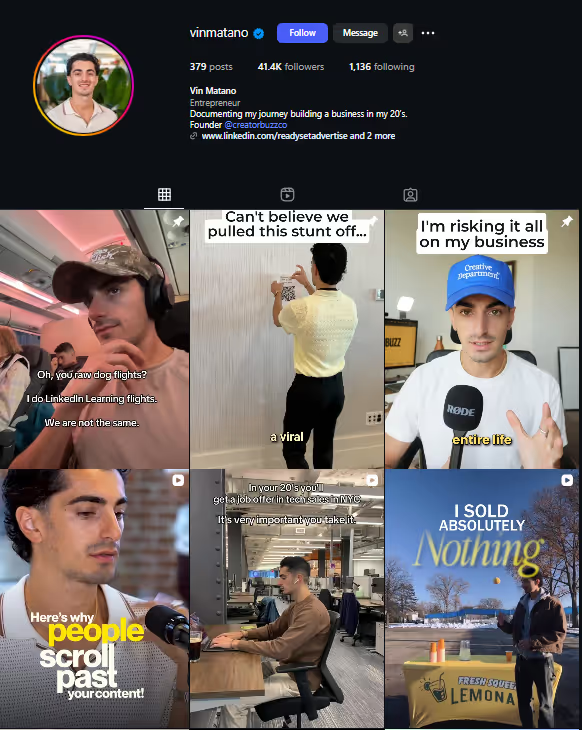
Vin Matano does the opposite. He documents the journey, process, struggles, wins and failures while building his B2B company. Vin doesn’t present himself as a “finished success.” His content openly shows: Early struggles, In-progress thinking, Lessons learned while building in public.
And that’s exactly why it works in 2026.
The journey feels relatable, not aspirational.
And in a market flooded with “experts,” buyers trust people who are still figuring things out more than those pretending to have all the answers
Takeaway:
In 2026, transparency beats authority.
Your journey story doesn’t need to be impressive, it needs to be real.
2. Turn Your Founder & Team into the Content Engine
Logos don’t build trust. People do. In 2026, the most powerful B2B videos are the ones where your founder shares stories, industry insights, wins and failures; your team members are sharing how they are working, having fun, showcasing work culture, mistakes, learnings, handling customers, and not just explaining product features.
And Lemlist does this very creatively. Their video content game feels human in a sea of polished AI content. Instead of relying on brand-only announcements, Lemlist consistently puts its founders and team members front and center. They openly share experiments, new channel launches, failures, and learnings in real time, giving the audience a behind-the-scenes look at how the company actually operates. Most importantly, they communicate like real people, not like a polished SaaS landing page which makes the brand feel human, relatable, and trustworthy.
Works insanely well on LinkedIn & YouTube Shorts where people buy from faces, not logos.
Source: Lemlist LinkedIn
Takeaway:
Logos don’t build trust.
People do, especially when buying high-ticket B2B products.
3. Build “Micro-Series,” Not Random Videos
One-off videos don’t stick. Recurring formats do.
Think like a Netflix show, not a marketer.
Micro-series ideas: 1 SaaS Mistake a Week I Things We Learned After 100 Clients I Why Your System is Crashing
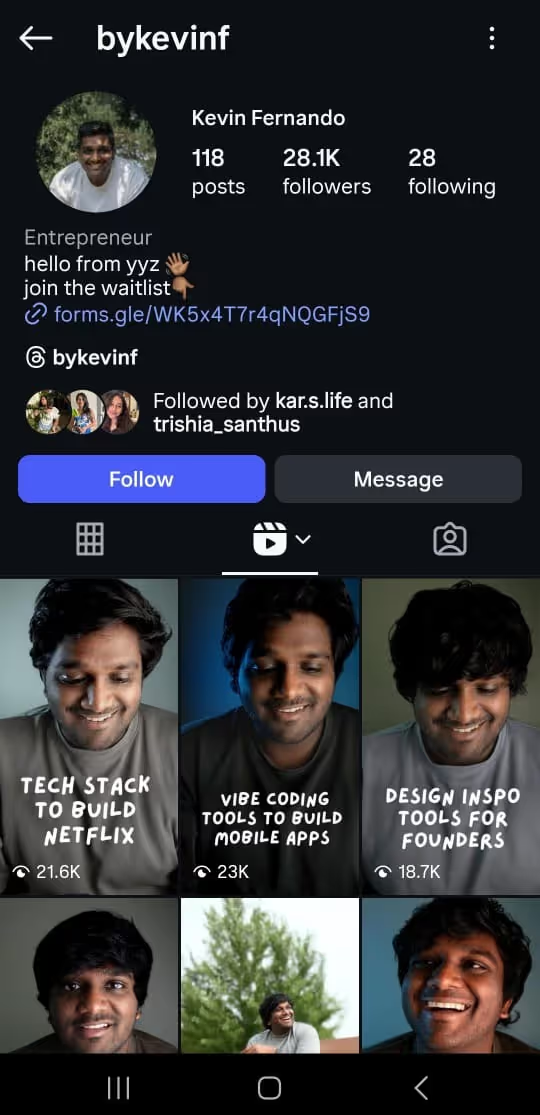
Kevin Fernando is a great example of why micro-series outperform random one-off videos in B2B. Instead of posting disconnected content, he runs a clear, recurring narrative: a non-technical founder building a tech product. Every video feels like a continuation of the same story, not a standalone post fighting for attention.
Each piece of content fits into a larger arc. The hooks are familiar, the visuals are consistent, and the format stays recognizable. This consistency trains viewers to instantly understand what the video is about and makes them want to come back for the next episode.
This stands out because most B2B brands still post in fragments. A tip today, an announcement tomorrow, a case study next week. There is no connective tissue. Kevin does not post content. He publishes a series.
The result is anticipation instead of one-off views, habit-based consumption instead of passive scrolling, and long-term audience retention instead of short-lived spikes.
Takeaway:
Each episode should have same hook style, similar visual structure and fixed posting day and time. This creates anticipation, not just views.
4. Pattern Interrupting Videos
A pattern-interrupt video is content designed to break the viewer’s scrolling habit. It uses unexpected visuals, pacing, or concepts that feel different from what the audience is used to seeing. The goal is simple: force a pause, earn the first three seconds, and reset attention before the message even starts.
ClaudAI’s videos are a masterclass in pattern interruption. Instead of opening with a predictable talking head and a neatly framed mic shot, their videos start with visuals that feel unexpected and slightly out of place for B2B. The first frame immediately creates friction in the scroll, making the viewer pause because it does not look like what every other business creator is posting.
The pacing is intentionally disruptive. Abrupt hooks, fast cuts, and unconventional concepts replace the slow, explanatory style most B2B videos rely on. There is no warm-up or context-heavy intro. The video jumps straight into the idea, which breaks the viewer’s expectation of how a B2B video should sound and look.
This is what makes the content stand out in a crowded B2B feed. When most videos follow the same formula of person, mic, and advice, pattern-interrupting formats force the brain to reset. They buy those critical first three seconds and signal instantly that this is not another safe, boring business video.
Source: claudai Instagram
Takeaway:
If your first frame looks like every other B2B video, you have already lost. Pattern interruption is not about being loud or gimmicky. It is about being different enough to earn attention before the scroll moves on.
5. Comedy Videos
Comedy videos in B2B use humor to highlight real, everyday pain points that buyers actually experience. Instead of explaining features or workflows, they exaggerate familiar frustrations in a way that feels honest and relatable. The humor works not because it is over-the-top or gimmicky, but because it is rooted in truth. When the audience recognizes themselves in the joke, the message sticks.
Zendesk executed this perfectly with its Relationships Are Complicated campaign. By using marriage counseling metaphors to explain CRM challenges, they transformed a traditionally boring software category into something emotional and memorable. The problems between businesses and their customers were framed like relationship issues, making complex customer support dynamics instantly understandable without ever feeling technical.
This approach stands out in B2B because humor lowers resistance. It disarms skepticism, makes complex software feel human, and helps the brand stay top of mind long after the video ends.
Takeaway
B2B buyers are still people, not robots. Even though they make business decisions, emotions still play a big role in what they remember and trust. When a brand makes someone laugh, it breaks the tension and builds a positive connection. In a world full of serious, feature-heavy content, the brands that make people feel something are the ones that stand out and get remembered.
6. Creative Graphic Videos
Creative graphic-led videos focus on visuals first, not people talking to a camera. Instead of relying on long explanations or slide-style narration, these videos use motion graphics, typography, and visual metaphors to communicate ideas quickly. The message is designed to be understood at a glance, making complex or abstract concepts feel simple and intuitive.
Figma does this exceptionally well. In their videos, motion graphics are not decoration. They are the main storyteller. Ideas unfold visually, with smooth transitions and clear visual logic, so the viewer understands the concept without needing a long voiceover or explanation. This approach keeps attention high and makes the content feel modern and intentional.
This stands out in B2B because most brands still depend on words and slides to do the heavy lifting. Figma lets visuals do the thinking, which reduces mental effort for the viewer, works across languages and regions, and gives the brand a premium feel.
Source: Figma Instagram
The takeaway is clear. In 2026, clarity is not just good communication. It is a creative advantage.
7. Life Update Videos
Life update videos bring your audience along on your journey. Instead of just promoting a product or service, they share real progress, milestones, pivots, behind-the-scenes moments, and even personal breaks like staycations or sabbaticals. The goal is to keep viewers emotionally invested and turn them into long-term supporters by showing the human side of your business.
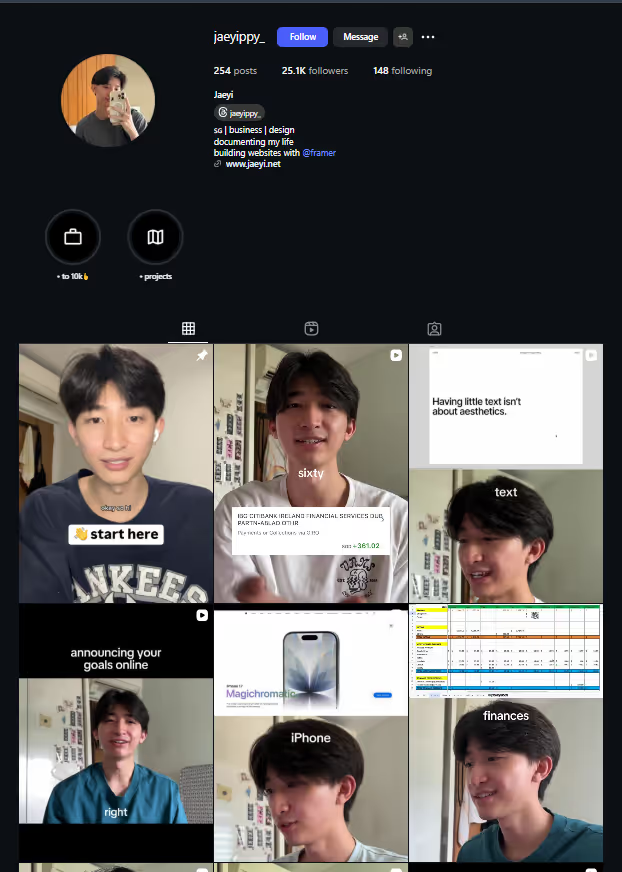
Jaeyi does this right way. He shares about what he’s been up to, shares his recent progress, and explains why he took a short break - whether that’s rest, travel, a staycation, or time off to recharge. These moments are authentic and conversational, not salesy, which makes followers feel like they’re being spoken to as friends, not just an audience.
What makes these videos stand out is how they keep the audience informed and emotionally connected. Instead of only posting promotional content or polished updates, Jaeyi uses these reels to share real-life moments and transitions, making viewers feel invested in his journey and more likely to stay engaged long term. That’s the power of bringing people along on the story, not just showing the end results.
8. Life Outside the Office Videos
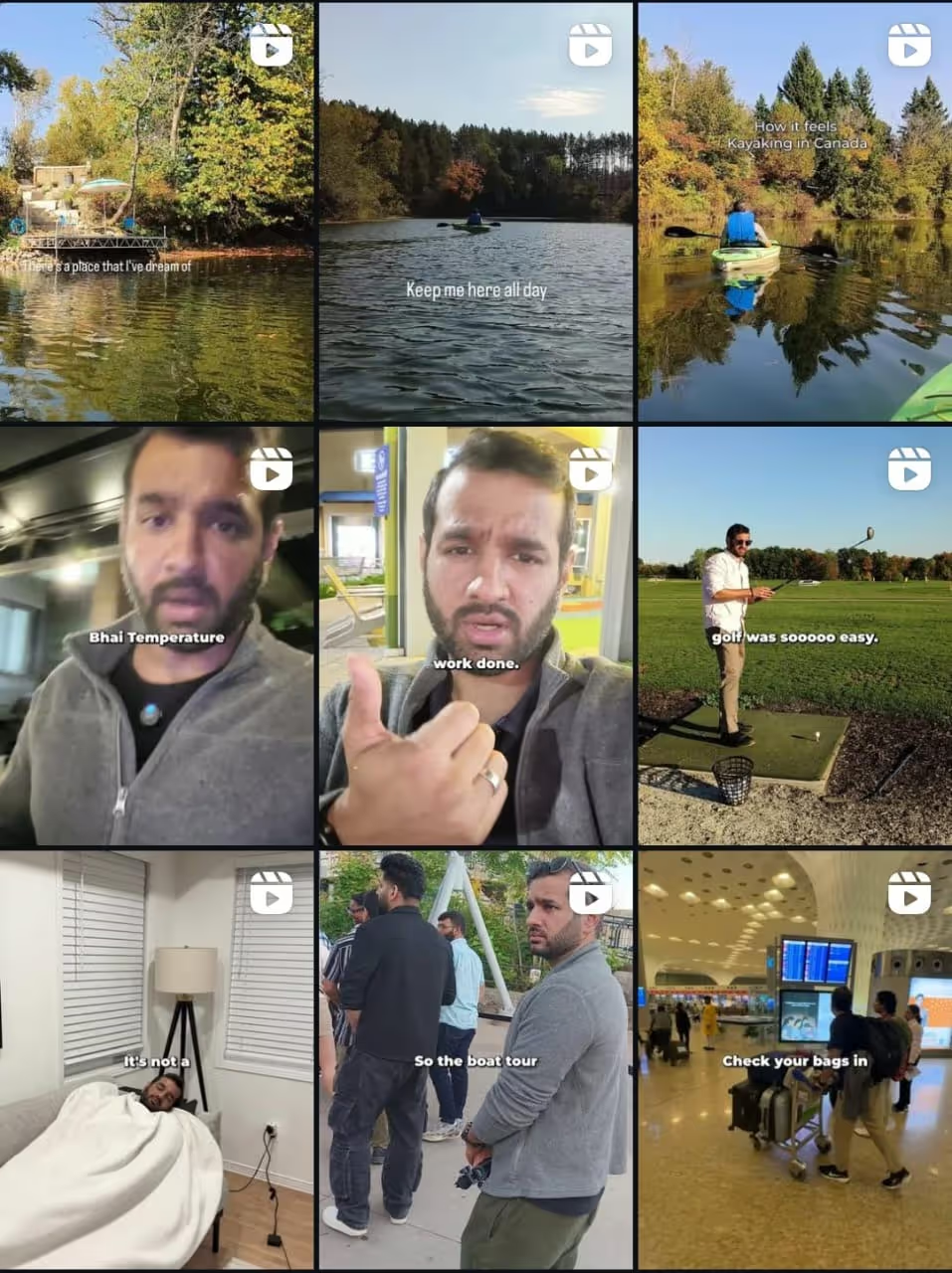
Life Outside the Office videos show the human side of a founder or brand beyond the daily grind. This can include travel series, doing dream activities like cliff jumping or bungee jumping, or showcasing team offsites. Instead of only focusing on products or services, this content highlights personality, passions, and experiences that make the creator relatable and approachable.
Rajan’s Travel Series is a great example. By sharing adventures and behind-the-scenes moments from his travels, he shows that there’s a real person behind the work, not just a logo or a brand. This builds relatability and makes the audience connect on a more personal level.
In B2B, this stands out because high-ticket decisions are emotional. People tend to buy from those they like and relate to, not just from companies with perfect presentations.
The takeaway is clear: you don’t lose credibility by being human, you gain it.
9. 30 - 60 - 90 or 365 Days Posting Challenge
These videos are about committing to show up consistently and documenting progress in public. These videos capture daily or weekly updates around building something in real time, sharing what worked, what did not, lessons learned, and small wins along the way. The focus is not on perfection, but on consistency, momentum, and honest progress.
Johnny Gonzales does this by sharing daily updates on building his AI startup, like “Day 33 of building an AI startup,” making each post a checkpoint on a larger journey rather than a random piece of content. By committing to a long-term posting challenge, he creates momentum and invites his audience to follow along through wins, setbacks, and daily learnings.
This type of challenge works in B2B because it shows discipline and real-time progress, which builds credibility and keeps viewers engaged over the long run. Instead of one-off posts, the audience starts to care about what happens next day 34, day 50, day 100 because they’re emotionally invested in the journey. The consistency also signals authenticity and resilience, which are qualities buyers respect.
Source: Johnny Gonzales Instagram
10. Build-in-Public Videos
Build-in-public videos are about openly sharing what is happening inside your business while it is being built. Instead of waiting for a polished success story, these videos document real timelines, decisions, wins, doubts, and lessons as they happen. The goal is transparency. You let the audience see how products grow, how challenges are handled, and what the journey actually looks like behind the scenes.
Lizzie Tan does this exceptionally well in her video about LinkedIn Wrapped. She walks through the full timeline, from launching an unofficial LinkedIn Wrapped in December 2024 to reaching over 110,000 users by January 2025. When LinkedIn later launched its own “Year in Review,” she openly shares her fear that their product would be overshadowed by a company with massive resources, a huge team, and hundreds of millions of users.
What makes the video powerful is the honesty. Instead of hiding the doubt, she talks about it. And instead of a dramatic twist, the outcome is simple and real. Users still preferred her version because it felt more thoughtful and intentional. That moment reinforces why build-in-public content works. People connect with the process, not just the win. By sharing uncertainty, competition, and real outcomes, Lizzie builds trust, credibility, and long-term loyalty.
Source: Lizze Tan's Instagram
In 2026, B2B videos that stand out aren’t chasing trends or polishing endlessly. They show up consistently, speak clearly, and let real people tell real stories. When video stops trying to impress and starts trying to connect, it earns trust and trust compounds.
If you’re serious about using video to build visibility, credibility, and demand, start with one format from this guide and commit to it for the next 30 days.
If you don’t have the time and want a done-for-you video system, book a demo call now and see how we help B2B teams turn ideas into consistent, high-performing video content.